
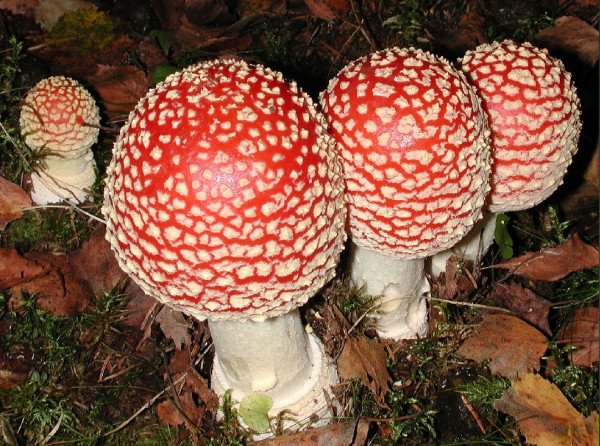
A mycorrhiza, derived from the Ancient Greek terms μύκης (múkēs), meaning 'fungus', and ῥίζα (rhíza), meaning 'root' (with plural forms including mycorrhizae, mycorrhiza, or mycorrhizas), denotes a symbiotic relationship established between a fungus and a plant. This association involves the intricate interconnection of fungal hyphae and plant roots, culminating in a cellular-level interface. The nomenclature 'mycorrhiza' specifically highlights the fungus's integral function within the plant's rhizosphere, encompassing the root system and its immediate environment. These symbiotic structures are crucial for various processes, including plant nutrition, soil biology, and soil chemistry.
Within a mycorrhizal association, the fungal partner colonizes the root tissues of the host plant. This colonization can occur either intracellularly, as observed with arbuscular mycorrhizal fungi, or extracellularly, characteristic of ectomycorrhizal fungi. While typically mutualistic, certain species or specific environmental conditions can lead to mycorrhizae exhibiting a parasitic relationship with their host plants.
Definition
A mycorrhiza represents a symbiotic partnership between a green plant and a fungus. Through photosynthesis, the plant synthesizes organic molecules, such as sugars or lipids, which it then provides to the fungus. Conversely, the fungus facilitates the plant's uptake of water and essential mineral nutrients from the soil, including phosphorus, nitrogen, and zinc. While primarily found in the roots of vascular plants, mycorrhiza-like associations are also observed in bryophytes. Furthermore, fossil records indicate that early land plants, which lacked developed root systems, formed arbuscular mycorrhizal associations. The majority of plant species engage in mycorrhizal relationships, although certain families, such as Brassicaceae and Chenopodiaceae, are exceptions. The arbuscular type is the most prevalent form, occurring in 70% of plant species, encompassing numerous agricultural crops like cereals and legumes.
History of Research
The formal description and nomenclature of mycorrhizal fungi were established in 1885 by the German botanist A.B. Frank, who is credited with coining the term 'mycorrhiza'.
Prior observations by other researchers also advanced the comprehension of these root-fungal associations. In 1881, Franciszek Kamieński demonstrated the nutritional reliance of the plant *Monotropa hypopitys* on fungi associated with adjacent trees, thereby underscoring fungal dependency. Subsequently, in 1899, Noël Bernard determined that orchids, such as *Neottia nidus-avis*, necessitate a specific fungal partner for successful seed germination.
During the 20th century, research significantly broadened the understanding of mycorrhizal diversity and their widespread occurrence across various plant families. Paleobotanists, through their study of Rhynie chert fossils, provided evidence that mycorrhizal-like associations were present in early land plants as far back as 407 million years ago.
In 2008, Laccaria bicolor achieved distinction as the inaugural ectomycorrhizal fungus to undergo genome sequencing. This pivotal research elucidated the genetic underpinnings of symbiosis, specifically identifying gene duplications and specialized secreted proteins. This accomplishment marked the commencement of the molecular era in mycorrhizal research.
Evolution
Emergence Concurrent with Terrestrial Plants
Both fossil and genetic evidence suggest that mycorrhizae originated approximately 450-500 million years ago, possibly as an association between fungus-like protists and algae. Arbuscular mycorrhizal relationships are believed to be the earliest form, emerging concurrently with the terrestrialization of plants. Genetic analyses indicate that all land plants share a common ancestor that rapidly adopted mycorrhizal symbiosis, implying that proto-mycorrhizal fungi were instrumental in facilitating plant colonization of land. Paleomycologists widely agree that mycorrhizal fungi functioned as a rudimentary root system for early terrestrial plants. This hypothesis is supported by the fact that, before plants colonized land, soils were nutrient-poor, and plants had not yet evolved complex root systems. Lacking such systems, early terrestrial plants would have been unable to absorb essential, recalcitrant ions like phosphate from mineral substrates, which are crucial for plant growth.
Fossil Record and Genomic Analysis
Fossilized Glomeromycotan spores and hyphae have been dated to 460 million years ago; however, these fossils were not found in association with plants. The earliest terrestrial ecosystems resembled contemporary biocrusts, with lichen-like associations between fungi and cyanobacteria constituting a significant component of these communities. The initial land plants exhibited characteristics similar to mosses, possessing rudimentary vascular systems but lacking leaves or roots.
The most ancient direct fossil evidence for early mycorrhizal symbiosis originates from the 407-million-year-old Rhynie chert, which encompasses a collection of exceptionally preserved fossil plants exhibiting colonization by various para-mycorrhizal fungi. Within the Rhynie chert fossils, Glomeromycotan and Mucoromycotan fungi are observed forming mycorrhiza-like associations with the cellular structures of the plants Aglaophyton major and Horneophyton lignieri. These fossil records indicate a mutualistic relationship between the plants and the colonizing fungi, evidenced by the preservation of characteristic nutrient exchange structures (specifically arbuscules in Glomeromycotina and hyphal coils in Mucoromycotina) and the apparent viability of the colonized cells at the moment of fungal infection.
These initial associations are categorized as mycorrhiza-like or para-mycorrhizal due to the conventional definition of mycorrhizae involving fungal colonization of plant roots, a feature absent in early plant forms. The most ancient fossil evidence of arbuscular mycorrhizal fungi within plant roots dates back 315 to 303 million years, revealing Glomeromycotina fungi integrated into the root systems of the giant lycophyte *Lepidodendron* and *Cordaites*, an early conifer relative. Furthermore, arbuscular mycorrhizal fungi have been identified in 240-million-year-old fossils of Antarcticycas schopfii.
Ectomycorrhizae emerged considerably later, during the Jurassic period, whereas the majority of other contemporary mycorrhizal symbiotic forms, such as orchid and ericoid mycorrhizae, are associated with the angiosperm radiation during the Cretaceous period. Fossil evidence of ectomycorrhizae first appears in the Eocene epoch, approximately 48.7 million years ago, represented by ectomycorrhizal fungi colonizing Pinus roots. Nevertheless, it is hypothesized that the initial ectomycorrhizal relationships originated within the stem group Pinaceae, coinciding with the diversification of the Pinaceae crown group in the mid-Jurassic, approximately 175 million years ago.
Fossil preservation for both Ericoid and orchid mycorrhizae is notably scarce. Consequently, calibrated molecular phylogeny serves as a tool to approximate the evolutionary origins of these mycorrhizal types. The precise origins of orchid mycorrhizae remain ambiguous, although orchids themselves are generally believed to have emerged during the Cretaceous period. Ericoid mycorrhizae are estimated to represent the most recent evolutionary development among mycorrhizal types, having evolved approximately 118 million years ago from free-living saprotrophic ancestors. These Ericoid mycorrhizal fungi diversified from various fungal lineages, predominantly ascomycetes within the Leotiomycetes class, alongside basidiomycetes belonging to the family Serendipitaceae.
Evolutionary Origins in Plants
Within the plant kingdom, the genetic mechanisms governing mycorrhizal symbiosis exhibit high conservation and trace back to a common ancestor, indicating that the capacity for mycorrhiza formation is an ancestral trait across all land plants. Conversely, non-mycorrhizal plant lineages, exemplified by the Brassicaceae, underwent a loss of this mycorrhiza-forming ability at a certain stage in their evolutionary history. The most ancient mycorrhizal forms were arbuscular mycorrhizae; subsequent types, including ectomycorrhizae and orchid mycorrhizae, evolved as plant hosts transitioned from symbiotic relationships with Glomeromycotina to associations with distinct fungal lineages.
Genetic evidence suggests that the symbiotic relationship between legumes and nitrogen-fixing bacteria originated from mycorrhizal symbiosis. The contemporary distribution patterns of mycorrhizal fungi seem to correspond with an escalating complexity and competitive pressure in root morphology, a phenomenon linked to the ascendancy of angiosperms during the Cenozoic Era, which is marked by intricate interspecies ecological dynamics.
Evolutionary Origins in Fungi
Within the fungal kingdom, mycorrhizal symbiosis arose through multiple independent evolutionary events across diverse fungal lineages. Arbuscular mycorrhizal fungi constitute a distinct monophyletic phylum, while other mycorrhizal fungi developed analogous symbiotic lifestyles through convergent evolution.
Arbuscular Mycorrhizae
The phylum Glomeromycota represents the most ancient mycorrhizal lineage, exclusively forming arbuscular mycorrhizal (AM) symbiosis. This symbiotic relationship originated uniquely within fungi, with all arbuscular mycorrhizal fungi (AMF) belonging to Glomeromycota and sharing a common ancestor. While 244 species have been morphologically identified based on spore characteristics, genetic analyses indicate a potential diversity of 300 to 1600 species within this phylum. All Glomeromycota members are obligate biotrophs, relying entirely on their plant hosts for sustenance. AMF are generally considered generalists, exhibiting minimal specificity towards host plants. AM symbiosis has been documented in approximately 67% of seed plant species, encompassing nearly every taxonomic division. Arbuscular mycorrhizae establish partnerships with most angiosperms, various gymnosperms, pteridophytes, and nonvascular plants. Their presence in the seedling stage of plants typically associated with ectomycorrhizal partners suggests that AMF possess the capacity to infect a broad spectrum of land plants under suitable conditions.
In contrast, other forms of mycorrhizal symbiosis, including ectomycorrhizae, orchid mycorrhizae, and ericoid mycorrhizae, arose independently across diverse fungal lineages via convergent evolution. Unlike obligate arbuscular mycorrhizal fungi, some species within these other symbiotic types are facultative symbionts, capable of independent survival without a plant host under specific environmental conditions.
Ectomycorrhizae
Ectomycorrhizal fungi originated from free-living saprotrophs, primarily within the Basidiomycota and Ascomycota phyla. Some of these fungi developed dependence on plant hosts following the loss of genes essential for the decomposition of lignin and other plant materials. An estimated 20,000 to 25,000 species of ectomycorrhizal fungi exist, yet only 6,000 to 7,000 plant species engage in ectomycorrhizal symbiosis. Within angiosperms, ectomycorrhizal partnerships are thought to have evolved independently at least 18 times, while in fungi, this evolutionary event occurred approximately 80 times. The primary evolutionary impetus for ectomycorrhizae involves a shift in nutritional strategies from saprotrophy. Phylogenomic analyses of diverse ectomycorrhizal fungal genomes corroborate their convergent evolution from white-rot and brown-rot fungi, as well as from soil saprotrophs. Furthermore, certain ectomycorrhizal lineages appear to have descended from endophytic ancestors, which are fungi residing within plants without causing harm. Intriguingly, some ectomycorrhizal fungi have undergone an apparent evolutionary reversal, reverting to a saprotrophic ecological niche. This reversal is facilitated by the retention of lignin-degrading enzymes in specific ectomycorrhizal fungal lineages.
Orchid Mycorrhizae
Orchid mycorrhizal fungi, predominantly originating from the Ascomycota and Basidiomycota phyla, remain less extensively characterized. Certain fungi involved in orchid mycorrhizal symbiosis are also capable of forming ectomycorrhizal associations with other plant species or existing independently of a plant host. Additionally, some orchid mycorrhizal fungi can function as plant pathogens.
Ericoid Mycorrhizae
Ericoid mycorrhizal associations exhibit the most recent evolutionary origins and the lowest species richness among both their plant and fungal constituents. This high degree of specialization implies that ericoid mycorrhizal partners co-evolved in parallel, driven by environmental pressures, rather than through direct species-to-species reciprocal selection. Ericoid mycorrhizal relationships are prevalent in highly nutrient-deficient soils across both the northern and southern hemispheres. Such environments, characterized by limited mineral nutrient availability, have fostered the development of sclerophylly in native plants, resulting in high lignin content and low concentrations of phosphorus and nitrogen. Consequently, decomposing plant material in these regions possesses an exceptionally high carbon-to-nitrogen ratio, rendering it resistant to microbial decomposition. Ericoid mycorrhizae appear to have evolved mechanisms to conserve minerals within nutrient-poor sclerophyllous litter by directly cycling these nutrients throughout the mycorrhizal system. Furthermore, ericoid mycorrhizae retain saprotrophic capabilities, enabling them to extract nitrogen and phosphorus from unmineralized organic matter and to mitigate adverse effects from elevated concentrations of toxic cations in acidic soil conditions.
Types
Mycorrhizal symbioses have independently and convergently evolved on numerous occasions throughout Earth's history. Various classification schemes exist for mycorrhizal symbiosis. The primary distinction lies between ectomycorrhizas and endomycorrhizas. These two categories are distinguished by the fungal hyphae's interaction with root cells: ectomycorrhizal fungi do not penetrate individual root cells, whereas endomycorrhizal fungi breach the cell wall and invaginate the cell membrane.
Analogous Symbiotic Associations
Certain plant-fungal symbiotic relationships bear resemblances to mycorrhizae but are classified separately. Fungal endophytes represent one such example. Endophytes are characterized as organisms capable of residing within plant cells without inducing host damage. A key differentiator from mycorrhizal fungi is their lack of specialized structures for transferring external nutrients to the plant. It is hypothesized that some mycorrhizal fungal lineages originated from endophytes, and certain fungi exhibit the capacity to function as either mycorrhizae or endophytes.
Ectomycorrhiza
Ectomycorrhizae are distinguished by their non-penetration of plant cells; instead, they form a Hartig net, which infiltrates the intercellular spaces. An ectomycorrhiza comprises a hyphal sheath, or mantle, encasing the root tip, alongside a Hartig net of hyphae that envelops plant cells within the root cortex. Should hyphae penetrate plant cells in certain instances, the association is then classified as an endomycorrhiza. Beyond the root, the ectomycorrhizal extramatrical mycelium establishes a vast network throughout the soil and leaf litter. Other mycorrhizal types, such as arbuscular, ericoid, arbutoid, monotropoid, and orchid mycorrhizas, are categorized as endomycorrhizae.
Ectomycorrhizas (EcM) represent symbiotic relationships formed between the roots of approximately 10% of plant families—primarily woody species such as those in the birch, dipterocarp, eucalyptus, oak, pine, and rose families, as well as orchids—and fungi from the Basidiomycota, Ascomycota, and Zygomycota phyla. Although ectomycorrhizae engage with a comparatively small number of plant species (around 2% globally), these species predominantly consist of trees and woody plants that exert significant ecological dominance, thereby contributing substantially to global plant biomass. Certain EcM fungi, including numerous species within Leccinum and Suillus, exhibit specificity by forming symbioses with only a single plant genus, whereas others, like Amanita, are generalists capable of mycorrhizal associations with diverse plant hosts. A single tree can simultaneously host 15 or more distinct fungal EcM partners. Despite the limited diversity of plant species participating in EcM, the fungal diversity within these associations is extensive. Thousands of ectomycorrhizal fungal species have been identified, encompassing over 200 genera. A recent conservative assessment estimated global ectomycorrhizal fungal species richness at approximately 7,750 species; however, considering known and unknown macromycete diversity, the ultimate estimate for EcM species richness is likely to range between 20,000 and 25,000. Ectomycorrhizal fungi independently evolved from saprotrophic ancestors on multiple occasions throughout their evolutionary history.
Evidence indicates that nutrients can be translocated between various plants via the fungal network. Carbon transfer has been observed from paper birch seedlings to neighboring Douglas-fir seedlings, a process that, while not definitively attributed solely to a common mycorrhizal network, contributes to ecosystem succession. The ectomycorrhizal fungus Laccaria bicolor has been documented to attract and prey upon springtails to acquire nitrogen, a portion of which may subsequently be transferred to its mycorrhizal host plant. A study conducted by Klironomos and Hart demonstrated that Eastern White Pine inoculated with L. bicolor could obtain up to 25% of its nitrogen from springtails. Relative to non-mycorrhizal fine roots, ectomycorrhizae can accumulate exceptionally high concentrations of trace elements, including toxic metals such as cadmium and silver, or chlorine.
The initial genomic sequence for an ectomycorrhizal basidiomycete, L. bicolor, a representative of symbiotic fungi, emerged in 2008. This fungus exhibited an expansion of several multigene families, indicating that its adaptation to symbiosis was facilitated by gene duplication. Among lineage-specific genes, those encoding symbiosis-regulated secreted proteins demonstrated upregulated expression in ectomycorrhizal root tips, implying their involvement in inter-partner communication. Notably, L. bicolor lacks enzymes crucial for the degradation of plant cell wall components (such as cellulose, hemicellulose, pectins, and pectates), thereby preventing the symbiont from degrading host cells during root colonization. Conversely, L. bicolor features expanded multigene families linked to the hydrolysis of bacterial and microfaunal polysaccharides and proteins. This genomic analysis elucidated the dual saprotrophic and biotrophic lifestyle of the mycorrhizal fungus, allowing it to thrive in both soil environments and living plant roots. Subsequently, the genomes of numerous other ectomycorrhizal fungal species have been sequenced, further broadening the investigation into gene families and evolutionary processes within these organisms.
Arbutoid mycorrhiza
Arbutoid mycorrhiza is characterized by its association with plants belonging to the Ericaceae subfamily Arbutoideae. Despite its distinctiveness from ericoid mycorrhiza, it shares functional and fungal similarities with ectomycorrhiza. A key distinction from ectomycorrhiza is the penetration of some hyphae into the host root cells, classifying this mycorrhizal type as an ectendomycorrhiza.
Arbuscular mycorrhiza
Arbuscular mycorrhizas (AMs), previously identified as vesicular-arbuscular mycorrhizas, feature hyphae that permeate plant cells, forming intricate, tree-like structures known as arbuscules within the host cells to facilitate nutrient exchange. Frequently, balloon-shaped storage structures, referred to as vesicles, are also generated. Crucially, during this interaction, fungal hyphae do not directly penetrate the protoplast (the cell's interior) but instead invaginate the host cell membrane, thereby forming a peri-arbuscular membrane. The distinctive morphology of arbuscules significantly amplifies the contact surface area between the hypha and the host cell cytoplasm, thereby optimizing nutrient transfer. As obligate biotrophs, arbuscular mycorrhizas are entirely reliant on their plant hosts for both growth and reproduction, having forfeited the capacity to sustain themselves through the decomposition of dead plant matter. Approximately twenty percent of the photosynthetic products generated by the plant host are consumed by the fungi; this carbon transfer from the terrestrial host plant is reciprocated by an equivalent exchange of phosphate from the fungi to the plant.
In stark contrast to ectomycorrhizae, arbuscular mycorrhizal fungi (AMFs) exhibit remarkably low species diversity, yet they associate with an exceptionally broad range of plant hosts, with an estimated 78% of all plant species forming AMF associations. Exclusively, arbuscular mycorrhizas are established by fungi belonging to the division Glomeromycota. Both fossil records and DNA sequence analyses indicate that this mutualistic relationship originated approximately 400-460 million years ago, coinciding with the initial terrestrial colonization by plants. Arbuscular mycorrhizas are prevalent across 85% of all plant families and are commonly observed in numerous crop species. The hyphae of arbuscular mycorrhizal fungi synthesize the glycoprotein glomalin, which is hypothesized to constitute a significant reservoir of soil carbon. Arbuscular mycorrhizal fungi are believed to have maintained an asexual reproductive mode for millions of years, and, notably, individual organisms can harbor multiple genetically distinct nuclei, a phenomenon termed heterokaryosis.
Mucoromycotina fine root endophytes
Mycorrhizal fungi classified under Mucoromycotina, designated as "fine root endophytes" (MFREs), were erroneously categorized as arbuscular mycorrhizal fungi until recent re-evaluations. Although morphologically similar to AMF, MFREs originate from the subphylum Mucoromycotina, rather than Glomeromycotina. Upon colonizing plant roots, their morphology closely resembles that of AMF, yet they are distinguished by the formation of finely textured hyphae. Consequently, the effects attributed to MFREs may have been misattributed to AMFs due to the historical confusion between these groups, further complicated by their frequent co-colonization of the same host plants. In contrast to AMFs, MFREs demonstrate an apparent capacity for independent survival without a host. This particular group of mycorrhizal fungi remains poorly characterized but seems to favor wet, acidic soil conditions and establishes symbiotic associations with liverworts, hornworts, lycophytes, and angiosperms.
Ericoid mycorrhiza
Ericoid mycorrhizae (ErMs) represent the most recently evolved among the primary mycorrhizal associations, exclusively involving plants within the Ericales order. These mycorrhizae are typically formed by woody understory shrubs, with common hosts encompassing blueberries, bilberries, cranberries, mountain laurels, rhododendrons, heather, neinei, and the giant grass tree. While most prevalent in boreal forests, ErMs are observed in approximately two-thirds of global forest ecosystems. The fungi associated with ericoid mycorrhizae originate from diverse fungal lineages. Certain species exhibit versatility, functioning as endophytes wholly contained within plant cells, even in non-Ericales plants, or existing as independent saprotrophs that break down organic detritus. This capacity for adopting various lifestyles confers significant adaptability upon ericoid mycorrhizal fungi.
Plants engaged in these symbiotic relationships possess specialized roots devoid of root hairs, featuring an epidermal cell layer that the fungus infiltrates and fully colonizes. The fungi exhibit a straightforward intraradical phase, characterized by dense hyphal coils within the outermost root cortical cells. A periradical phase is absent, and the extraradical phase comprises sparse hyphae that do not proliferate extensively into the adjacent soil. While sporocarps may be produced (potentially as small cup-shaped structures), their reproductive biology remains largely uncharacterized.
Ericoid mycorrhizal symbioses are typically observed in plants thriving under acidic, oligotrophic conditions. In contrast to arbuscular mycorrhizal fungi (AMFs), which have forfeited their saprotrophic capacities, and ectomycorrhizal (EcM) fungi, which display considerable variability in producing enzymes for a saprotrophic existence, ErM fungi have completely preserved their capacity to decompose plant material for nutritional acquisition. Furthermore, certain ericoid mycorrhizal fungi have augmented their enzymatic arsenal for organic matter degradation. These fungi are capable of extracting nitrogen from complex polymers such as cellulose, hemicellulose, lignin, pectin, and chitin. This enhanced capability significantly augments the benefits they can confer upon their plant symbiotic partners.
Orchid Mycorrhiza
All orchid species exhibit myco-heterotrophy at some point in their life cycle, necessitating the formation of orchid mycorrhizae for survival. Orchid seeds are minute and lack sufficient nutritional reserves to support seedling germination, thus requiring energy acquisition from their fungal symbiont for growth. The orchid mycorrhizal (OM) relationship is characterized by asymmetry, with the plant appearing to derive greater benefit than the fungus; indeed, some orchids are obligately mycoheterotrophic, entirely devoid of chlorophyll and incapable of photosynthesis. The existence of fully autotrophic orchids that do not acquire any carbon from fungi remains undetermined. Similar to fungi involved in ErMs, OM fungi can occasionally function as endophytes or as autonomous saprotrophs. Within the OM symbiosis, fungal hyphae infiltrate root cells, forming pelotons (coils) that facilitate nutrient exchange.
Monotropoid Mycorrhiza
This specific mycorrhizal association is observed in the Monotropoideae subfamily of Ericaceae, alongside various genera within the Orchidaceae. These plants exhibit either heterotrophic or mixotrophic nutritional strategies, obtaining their carbon directly from the fungal partner. Consequently, this represents a non-mutualistic, parasitic form of mycorrhizal symbiosis.
Function
Mycorrhizal fungi establish mutualistic associations with the root systems of the majority of plant species. Within this symbiotic interaction, both the plants themselves and the specific root portions hosting the fungi are designated as mycorrhizal. While a limited number of mycorrhizal relationships between plant species and fungi have been thoroughly investigated to date, 95% of the plant families studied are predominantly mycorrhizal, implying either that most of their constituent species form beneficial associations with mycorrhizae or that they are entirely reliant on them. The Orchidaceae family is particularly notable for its absolute dependence on specific mycorrhizae, as their absence proves lethal even to germinating seeds.
Recent investigations into ectomycorrhizal plants within boreal ecosystems suggest a more intricate relationship between mycorrhizal fungi and their plant hosts than a straightforward mutualism. This complexity became evident when mycorrhizal fungi were observed to sequester nitrogen from plant roots during periods of nitrogen deficiency. Scholars propose that certain mycorrhizae allocate nutrients based on environmental conditions, considering both surrounding plants and other fungal associations. This revised model potentially elucidates why mycorrhizae may not consistently mitigate plant nitrogen limitation and why plants might transition abruptly from a mixed strategy, involving both mycorrhizal and non-mycorrhizal roots, to an exclusively mycorrhizal approach as soil nitrogen availability diminishes. Furthermore, it has been posited that evolutionary and phylogenetic connections account for a greater proportion of the variability in the efficacy of mycorrhizal mutualisms compared to ecological determinants.
Formation
For plants to successfully establish mutualistic symbiotic relationships with other organisms, including mycorrhizal fungi and numerous other colonizing microbes, they must effectively differentiate between beneficial symbionts and detrimental pathogens. This discrimination involves permitting mutualists to colonize while simultaneously initiating an immune response against pathogens. Plant genomes encode potentially hundreds of receptors designed to detect chemical signals emanating from diverse organisms. Plants exhibit dynamic regulation of their symbiotic and immune responses, modifying interactions with symbionts based on detected feedback mechanisms. Within plants, the common symbiosis signaling pathway (CSSP) governs mycorrhizal symbiosis; this gene set is crucial for initiating and sustaining colonization by endosymbiotic fungi and other endosymbionts, such as Rhizobia in leguminous plants. The evolutionary origins of the CSSP precede the terrestrial colonization by plants, underscoring a co-evolutionary history between plants and arbuscular mycorrhizal fungi spanning over 500 million years. In arbuscular mycorrhizal fungi, root-secreted strigolactones, a plant hormone, stimulate the germination of fungal spores in the soil, enhance their metabolism, promote growth and branching, and induce the fungi to emit chemical signals detectable by the plant. Upon mutual recognition as compatible symbionts, the plant activates the common symbiotic signaling pathway, which subsequently triggers alterations in root tissues, facilitating fungal colonization.
Research involving arbuscular mycorrhizal fungi has identified a multitude of chemical compounds participating in the "chemical dialogue" that precedes the establishment of symbiosis between prospective partners. Within plants, nearly all plant hormones contribute to the initiation or regulation of arbuscular mycorrhizal fungi (AMF) symbiosis, and other chemical compounds are also hypothesized to possess signaling capabilities. Although fungal-emitted signals are less comprehensively understood, chitinaceous molecules, termed Myc factors, have been demonstrated as indispensable for arbuscular mycorrhizae formation. Plant-derived signals are perceived by LysM-containing receptor-like kinases (LysM-RLKs). AMF genomes additionally encode potentially hundreds of effector proteins; while only a limited number have a confirmed impact on mycorrhizal symbiosis, a substantial proportion are likely involved in communication with plant hosts.
Numerous factors contribute to the initiation of mycorrhizal symbiosis, with the plant's requirement for phosphorus being particularly significant. Studies utilizing rice plants engineered with a mutation that impairs their capacity to sense phosphorus deprivation reveal that the detection, recruitment, and colonization by arbuscular mycorrhizal fungi are stimulated when the plant perceives phosphorus scarcity. Nitrogen deprivation similarly contributes to the initiation of AMF symbiosis.
Mechanisms
Mycorrhizae enhance nutrient absorption through both physical and chemical mechanisms. Physically, the majority of mycorrhizal mycelia possess a significantly smaller diameter than even the finest root or root hair, enabling them to access soil matrices inaccessible to roots and root hairs, thereby presenting an expanded surface area for nutrient uptake. Chemically, the cellular membrane composition of fungi diverges from that of plants. For instance, fungi can secrete organic acids that either dissolve or chelate various ions, or facilitate their release from mineral compounds via ion exchange processes. Mycorrhizae confer particular advantages to their plant partners in environments characterized by nutrient-deficient soils.
Sugar-Water/Mineral Exchange
The mutualistic mycorrhizal association grants fungi consistent and direct access to carbohydrates, including glucose and sucrose. These carbohydrates are translocated from their photosynthetic source (typically leaves) to root tissues and subsequently to the fungal symbionts. In exchange, the plant benefits from the mycelium's enhanced capacity for absorbing water and mineral nutrients. This improved absorption stems from two factors: the extensive surface area of fungal hyphae, which are considerably longer and finer than plant root hairs, and the ability of certain fungi to mobilize soil minerals otherwise inaccessible to plant roots. Consequently, this interaction significantly augments the plant's mineral nutrient uptake capabilities.
Plant roots, when unaided, may struggle to absorb nutrients that are chemically or physically immobilized, such as phosphate ions and micronutrients like iron. This immobilization can occur in soils characterized by high clay content or a strongly basic pH. However, the mycelium of mycorrhizal fungi can access numerous such nutrient sources, subsequently making them available to the colonized plants. Consequently, many plants can acquire phosphate that would otherwise be unavailable from the soil. Nutrients can also be immobilized within slowly decaying organic matter, such as wood. In these instances, some mycorrhizal fungi function directly as decomposers, mobilizing these nutrients and transferring a portion to their host plants. For example, in certain dystrophic forests, mycorrhizal hyphae directly assimilate substantial quantities of phosphate and other nutrients from leaf litter, thereby circumventing the necessity for soil uptake. Inga alley cropping, an agroforestry technique proposed as an alternative to slash-and-burn rainforest destruction, utilizes mycorrhizal associations within the root systems of Inga species to mitigate phosphorus leaching from the soil by rainfall.
In more intricate symbiotic relationships, mycorrhizal fungi extend beyond merely acquiring immobilized soil nutrients; they establish interconnected mycorrhizal networks. These subterranean hyphal networks facilitate the direct transport of water, carbon, and other essential nutrients between individual plants.
The basidiomycete fungus Suillus tomentosus forms specialized tuberculate ectomycorrhizae with its host plant, the lodgepole pine (Pinus contorta var. latifolia). These structures have been demonstrated to harbor nitrogen-fixing bacteria, which contribute substantial amounts of nitrogen, thereby enabling the pines to colonize nutrient-deficient environments.
Mycorrhizal Associations and Enhanced Plant Resistance to Disease, Drought, and Salinity
Mycorrhizal plants frequently exhibit increased resistance to diseases, particularly those induced by microbial soil-borne pathogens. These symbiotic associations have been observed to bolster plant defense mechanisms both above and below ground. Mycorrhizae are known to secrete enzymes that are toxic to various soil-borne organisms, including nematodes. Recent research indicates that mycorrhizal associations induce a priming effect in plants, functioning akin to a primary immune response. Upon the establishment of this association, a defense response is activated, mirroring the plant's reaction to an actual attack. Consequently, plants with mycorrhizal associations demonstrate more robust defense responses following such inoculation. The ecosystem services rendered by mycorrhizal fungi may be contingent upon the composition of the soil microbiome. Moreover, mycorrhizal fungi have shown a significant correlation with certain soil physical variables, specifically water levels, though not with aggregate stability. This correlation also suggests an increased resistance to drought effects. Furthermore, the importance of mycorrhizal fungi extends to alleviating salt stress, yielding beneficial effects on plant growth and productivity. While salinity can adversely impact mycorrhizal fungi, numerous studies report enhanced growth and performance of mycorrhizal plants when subjected to salt stress.
Insect Resistance
Plants interconnected by mycorrhizal networks can utilize these subterranean connections to transmit warning signals. For instance, upon an aphid attack, a host plant signals its distressed state to neighboring connected plants. Both the affected host plant and its connected counterparts subsequently release volatile organic compounds that deter aphids and attract parasitoid wasps, which are natural predators of aphids. This mechanism benefits the mycorrhizal fungi by safeguarding their carbohydrate supply from the host plants.
Colonization of Barren Soils
In sterile soils and growth media, plants frequently exhibit suboptimal performance unless mycorrhizal fungal spores or hyphae are introduced to colonize their roots, thereby facilitating the absorption of soil mineral nutrients. The lack of mycorrhizal fungi can also impede plant development during early ecological succession or in degraded environments. Furthermore, the introduction of non-native mycorrhizal plants into nutrient-poor ecosystems confers a competitive disadvantage upon indigenous non-mycorrhizal flora. This inherent capacity to colonize infertile soil is categorized as oligotrophy.
Toxicity Resistance
Fungi play a protective role for plants established in soils characterized by elevated metal concentrations, including acidic and contaminated substrates. For instance, pine trees inoculated with Pisolithus tinctorius and cultivated in various contaminated locations demonstrated significant tolerance to the dominant contaminants, exhibiting enhanced survival and growth. Research has identified diverse strains of Suillus luteus possessing varying degrees of zinc tolerance. Similarly, another investigation revealed that zinc-tolerant strains of Suillus bovinus imparted resistance to Pinus sylvestris plants. This protective mechanism is likely attributable to the binding of metals to the fungus's extramatrical mycelium, which occurs without compromising the exchange of beneficial compounds.
Prevalence of Mycorrhizal Associations
Mycorrhizal associations are observed in 92% of investigated plant families, encompassing 80% of all species. Arbuscular mycorrhizas represent the ancestral and most prevalent form, constituting the most widespread symbiotic relationship within the plant kingdom. The structural integrity of arbuscular mycorrhizas has been remarkably preserved since their initial appearance in the fossil record, while both the evolution of ectomycorrhizas and the independent loss of mycorrhizal associations have occurred convergently on numerous occasions.
The symbiotic relationships between fungi and plant roots have been recognized since at least the mid-19th century. Nevertheless, initial observations merely documented their existence without delving into the intricate interactions between the two organisms. This specific symbiosis was subsequently investigated and formally described by Franciszek Kamieński between 1879 and 1882.
Climate Change Impacts
Anthropogenic emissions of CO2 contribute to climate change and potentially harm mycorrhizae, although a direct increase in this gas is generally expected to benefit both plants and mycorrhizal fungi. In Arctic environments, where nitrogen and water acquisition by plants is challenging, mycorrhizae are indispensable for plant development. However, given that mycorrhizal fungi typically thrive in cooler conditions, rising temperatures could prove detrimental. Furthermore, human-generated gases like SO2, NOx, and O§67§ can adversely affect mycorrhizae, leading to diminished propagule numbers, reduced root colonization, impaired inter-tree connections, decreased mycorrhizal incidence in trees, and a decline in the enzymatic activity of ectomycorrhizal roots.
Groundwork BioAg, an Israeli company, has developed a methodology that utilizes mycorrhizal fungi to enhance agricultural crop yields, concurrently sequestering greenhouse gases and removing atmospheric CO2.
Conservation and Cartography
The Society for the Protection of Underground Networks (SPUN) was established in 2021 as a scientific initiative dedicated to mapping and safeguarding the mycorrhizal networks that regulate Earth's climate and ecosystems. Its declared objectives encompass the comprehensive mapping, protection, and strategic utilization of mycorrhizal fungi.
- Effect of climate change on plant biodiversity
- Epibiont, an organism that grows on another life form
- Epiphyte
- Mucigel
- Mycorrhizal Network (Wood Wide Web)
- Suzanne Simard
References
- International Mycorrhiza Society International Mycorrhiza Society
- Mycorrhizal Associations: The Web Resource Comprehensive illustrations and lists of mycorrhizal and nonmycorrhizal plants and fungi
- MycorWiki a portal concerned with the biology and ecology of ectomycorrhizal fungi and other forest fungi.