
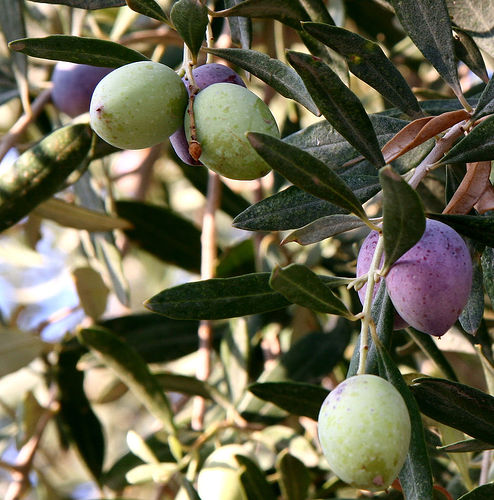
The olive, botanically designated Olea europaea (the "European olive"), constitutes a species of subtropical evergreen tree within the Oleaceae family. Its origins lie in Asia Minor, from where it has proliferated across the Mediterranean Basin, encompassing wild subspecies found in Africa and western Asia. Contemporary cultivars predominantly trace their lineage to the Near East, the Aegean Sea region, and the Strait of Gibraltar. As the type species for the genus Olea, the olive also provides the nomenclature for the Oleaceae plant family, a group that includes lilac, jasmine, forsythia, and ash. Botanically, the olive fruit is categorized as a drupe, exhibiting structural and functional similarities to fruits such as the cherry or peach. Historically, the term "oil" was synonymous with olive oil, which is the liquid fat extracted from olives.
The olive holds profound historical, economic, and cultural importance within the Mediterranean region. Recognized as one of the earliest fruit trees domesticated by humanity, its initial cultivation occurred in the Eastern Mediterranean, specifically between 6,000 and 4,000 BC, with the Levant being the most probable origin. Commencing in the 16th century BC, the olive progressively spread across the Mediterranean through trade networks and human migration, establishing itself in Crete around 3500 BC and reaching Iberia by approximately 1050 BC. Olive cultivation proved indispensable for the development and affluence of numerous Mediterranean civilizations, ranging from the Minoans and Mycenaeans during the Bronze Age to the Greeks and Romans of classical antiquity.
Throughout the Mediterranean, the olive has historically been esteemed for its diverse applications and inherent qualities. Beyond its edible fruit, the oil derived from olives has served various purposes, including culinary use, lamp fuel, personal grooming, cosmetics, soap production, lubrication, and medicinal applications. Additionally, olive wood occasionally found use in construction. Due to its practical utility, remarkable resilience, and exceptional longevity—with some olive trees reportedly surviving for millennia—the olive also acquired significant symbolic and spiritual meaning across diverse cultures. Its branches and leaves were incorporated into religious rituals, funerary processions, and public ceremonies, ranging from the ancient Olympic games to the coronations of Israelite monarchs. The ancient Greeks revered the olive tree as sacred, associating it with peace, prosperity, and wisdom—symbolic meanings that have endured over time. The ancient Romans expanded olive cultivation into progressively marginal terrains and established extensive industrial production facilities throughout the Mediterranean, notably in North Africa and Spain. The olive, particularly as olive oil, remains a fundamental component of traditional Middle Eastern and Mediterranean cuisines and serves as a distinctive element of regional landscapes, commercial activities, and folk customs.
Olive cultivation extends across all Mediterranean countries, as well as to Australia, New Zealand, the Americas, and South Africa. Spain, Italy, and Greece are global leaders in commercial olive production, with other significant producers including Turkey, Tunisia, Syria, Morocco, Algeria, and Portugal. Thousands of olive tree cultivars exist, with the fruit of each variety primarily utilized for oil extraction, direct consumption, or both. However, certain varieties are cultivated as sterile ornamental shrubs, identified by names such as Olea europaea Montra, dwarf olive, or little olive. Approximately 80% of the total olive harvest is processed into oil, whereas about 20% is designated for direct consumption as fruit, commonly known as "table olives."
Etymology
The term olive originates from the Latin ŏlīva, signifying 'olive fruit' or 'olive tree'. This derivation potentially traces through the Etruscan 𐌀𐌅𐌉𐌄𐌋𐌄 (eleiva) from the archaic Proto-Greek form *ἐλαίϝα (*elaíwa), which corresponds to the Classical Greek ἐλαία elaía, also meaning 'olive fruit' or 'olive tree'. The word oil initially denoted 'olive oil', stemming from the Latin ŏlĕum and the Greek ἔλαιον (élaion), both referring to 'olive oil'. Consequently, the term for 'oil' in numerous other languages ultimately descends from the nomenclature of this specific tree and its fruit. The earliest documented forms of these Greek words are the Mycenaean 𐀁𐀨𐀷, e-ra-wa, and 𐀁𐀨𐀺, e-ra-wo or 𐀁𐁉𐀺, e-rai-wo, which are recorded in the Linear B syllabic script.
Description
The olive tree, Olea europaea, is an evergreen arboreal or shrubby species indigenous to Mediterranean Europe, Asia, and Africa. Characteristically, it exhibits a compact, low-stature growth habit, seldom surpassing 8–15 m (25–50 ft) in height. An exceptional cultivar, Pisciottana, which encompasses approximately 40,000 trees exclusively located near Pisciotta in Italy's southern Campania region, frequently surpasses this typical height, developing proportionally larger trunk diameters. Its distinctive silvery-green leaves are oblong, typically measuring 4–10 cm (§23§+§56§⁄§78§–4 in) long and 1–3 cm (§1112§⁄§1314§–§1617§+§1920§⁄§2122§ in) wide. The trunk commonly presents a gnarled and contorted appearance.
The small, white flowers typically emerge from racemes originating in the leaf axils of the previous year's growth. Each individual flower comprises four yellowish-white petals, fused at their base, which are attached to a calyx formed by four fused green sepals. Flower buds undergo a slow developmental period of 4 to 6 weeks before reaching approximately 2 cm in length and opening; however, blooming accelerates to 5–6 days in warm conditions, contrasting with a 2-week period in cooler regions. Pollination and fertilization processes are expedited in warmer climates.
The fruit is classified as a small drupe, measuring 1–2.5 cm (3⁄8–1 in) in length at maturity; wild specimens typically exhibit thinner flesh and smaller dimensions compared to cultivated orchard varieties. Harvesting of olives occurs during their maturation from a green to a purple coloration. Within O. europaea, the endocarp, or pyrena, is colloquially known as a "pit" in American English and a "stone" in British English.
Taxonomy
Six naturally occurring subspecies of Olea europaea exhibit a broad geographical distribution:
- O. e. subsp. europaea (found in the Mediterranean Basin)
The europaea subspecies is further categorized into two varieties: europaea, previously designated as Olea sativa, whose seedlings are termed "olivasters"; and silvestris, which aligns with the historical wild Mediterranean species O. oleaster, with its seedlings known as "oleasters". The sylvestris variety is distinguished by its smaller, shrub-like growth habit and the production of comparatively smaller fruits and leaves.
- O. e. subsp. cuspidata (distributed from South Africa across East Africa, Arabia, Northwest India, and extending to Southwest China)
- O. e. subsp. cerasiformis (endemic to Madeira), alternatively identified as Olea maderensis
- O. e. subsp. guanchica (native to the Canary Islands)
- O. e. subsp. laperrinei (found in Algeria, Sudan, and Niger)
- O. e. subsp. maroccana (indigenous to Morocco)
Notably, the subspecies O. e. cerasiformis is characterized by tetraploidy, while O. e. maroccana exhibits hexaploidy. Feral forms of the olive are occasionally classified as the distinct species Olea oleaster, commonly known as "oleaster". The arboreal species referred to as "white" and "black" olives in Southeast Asia are not true olives but rather members of the genus Canarium.
Cultivars
Numerous cultivars of the olive tree have been identified. The specific cultivar of an olive significantly influences its phenotypic attributes, including color, size, shape, and growth patterns, alongside the organoleptic and chemical properties of its oil. Olive cultivars are typically cultivated either for oil production, direct consumption, or dual-purpose applications. Those olives specifically cultivated for direct consumption are commonly designated as "table olives".
Given that many olive cultivars exhibit self-sterility or near self-sterility, they are commonly interplanted, pairing a primary cultivar with a secondary one chosen for its capacity to facilitate cross-pollination. Contemporary horticultural research has focused on developing hybrid cultivars possessing advantageous traits for agriculturalists, such as enhanced disease resistance.
History
Recognized as one of the Earth's most ancient cultivated arboreal species, the olive's history is profoundly interconnected with human civilization; its ecological proliferation and geographical spread are predominantly attributable to anthropogenic influence rather than solely environmental factors, with its genetic and spatial distribution directly mirroring the trajectories of various historical societies. This profound human-plant relationship has facilitated the olive's extensive dissemination far beyond its original habitat, now encompassing 28.6 million acres across 66 nations. In 2005, an estimated 865 million olive trees existed globally, with the predominant proportion located within Mediterranean nations; historically less productive regions contributed a maximum of 25% to the total olive cultivation area and 10% to global olive oil output.
The Mediterranean Basin
The olive tree's origins are traced through fossil evidence to the Oligocene epoch, approximately 20–40 million years ago, in areas now encompassing Italy and the eastern Mediterranean Basin. Human utilization of olives for fuel and likely consumption on the Atlantic coast of Morocco in Africa dates back around 100,000 years. Wild olive trees, known as oleasters, have been gathered in the Eastern Mediterranean since approximately 19,000 BP, with genetic analysis of cultivated olives confirming their derivation from regional oleaster populations.
Initial cultivation of the olive plant in the Mediterranean occurred between 8,000 and 6,000 years ago. Archaeological discoveries in ancient tombs, such as written tablets, olive pits, and wood fragments, alongside genetic studies, suggest that domestication probably commenced in the Levant. Furthermore, Hittite texts from the second millennium BC, originating from modern-day Turkey, document the practice of anointing newborns and their mothers with olive oil as a protective measure during childbirth.
For millennia, olives were predominantly cultivated for lamp oil, given the inherent bitterness of the unprocessed fruit, which limited culinary use. It is highly probable that the earliest mechanized agricultural techniques and implements were developed for olive oil production, with the oldest evidence of such production dating back approximately 6,500 years in coastal Canaan, now modern-day Israel. By 3000BC, commercial olive cultivation was established in Crete, potentially serving as the primary economic foundation for the Minoan civilization.
The precise lineage of the cultivated olive remains undetermined. Discoveries of fossilized olea pollen in Macedonia and other Mediterranean regions confirm the genus as an indigenous component of the Mediterranean flora. Fossilized olea leaves, unearthed from the paleosols of the volcanic Greek island of Santorini, have been dated to approximately 37,000 BP. These leaves bore imprints of larvae from the olive whitefly, Aleurobus olivinus, an insect still prevalent on olive leaves today, indicating a consistent plant-animal co-evolutionary relationship over this period. Additional leaf specimens from Santorini, dated to 60,000 BP, represent the oldest known olive remains from the Mediterranean basin.
Expansion and Propagation
During the 16th century BC, the Phoenicians, a maritime civilization originating from the Levantine core region where olive cultivation likely began, initiated the widespread dissemination of the olive across the Mediterranean. Their preeminence as traders, merchants, and mariners enabled them to introduce the olive to the Greek islands, notably Crete, before extending its presence to the Greek mainland between the 14th and 12th centuries BC. Olive cultivation subsequently expanded and achieved significant cultural and economic importance among the Greeks. The Athenian statesman Solon (c. 630 – c. 560 BC) enacted legislation to regulate olive planting and promote its cultivation, especially for export. The olive's esteemed and even sacred status was evident in Greek literature and mythology, while prominent intellectuals such as Hippocrates, Homer, and Theophrastus documented its diverse beneficial properties.
The earliest definitive evidence of the olive tree in Egypt dates to the Eighteenth Dynasty (1570–1345 BC), coinciding with the Phoenicians' Mediterranean-wide distribution efforts. Nevertheless, depictions of olive fruits and trees appear in the tomb of King Teti (reigned approximately 2345 BC to 2333 BC), although it remains uncertain whether these signify domestic cultivation. Pharaoh Ramses III (reigned 1186–1155 BC) actively encouraged olive tree cultivation and dedicated olive oil from Heliopolis to the Sun God Ra. Papyrus manuscripts from his reign (circa 1550 BC) and temple engravings illustrate olive tree cultivation and the application of olive oil in culinary practices, lighting, cosmetics, medicine, and embalming. Pharaoh Tutankhamun, who ruled from approximately 1333 to 1323 BC, was interred with a garland of olive branches sourced from the Dakhla Oasis, located 360 km to the east. Furthermore, Egyptian mummies from the 20th to 25th dynasties (circa 1185 BC to 656 BC) have been discovered adorned with olive wreaths.
Despite the absence of evidence for olive cultivation in Mesopotamia, olive wood has been identified from the mid-third millennium BC. Specifically, the Emar site in contemporary Syria contains olive wood and pits dated to the Middle Bronze Age (2000–1600 BC). The Code of Hammurabi, a legal compendium from King Hammurabi of the Old Babylonian Empire (c. 1792–c. 1750 BC), frequently mentions olive oil as a vital commodity. The Assyrian Empire (858–627 BC) potentially expanded into the southern Levant, in part, to secure control over the region's profitable olive oil industry.
Substantial evidence now indicates the presence and exploitation of the olive tree in Italy as early as the Neolithic period, with cultivation and potential olive oil production established by the Bronze Age. From 1000 BC through the Roman Republic and Empire, olive cultivation expanded into increasingly marginal areas, encompassing much of peninsular Italy, Sicily, and Sardinia. Its reach extended northward to Liguria, near the French border, and into transalpine territories. Upon the Roman arrival in North Africa during the latter half of the first century BC, indigenous Berbers already possessed advanced knowledge of grafting wild olives and had extensively developed olive cultivation across the region.
The olive's expansion and cultivation achieved its peak during Rome's progressive conquest and settlement throughout nearly the entire Mediterranean basin. Romans actively propagated olives for commercial and agricultural benefits, and as a means of assimilating local populations. It was introduced to contemporary Marseille around 600 BC, subsequently spreading across Gaul (modern France). The olive tree appeared in Sardinia after the Roman conquest in the third century BC, though its introduction to neighboring Corsica might not have occurred until after the Western Roman Empire's collapse in the fifth century AD.
While the Phoenicians introduced olive cultivation to Spain around 1050 BC, it did not achieve significant scale until Scipio's arrival in 212 BC during the Second Punic War against Carthage. Following the Third Punic War (149–146 BC), olive groves extensively covered the Baetica valley in southwest Spain and expanded into the central and Mediterranean coastal regions of the Iberian Peninsula, including Portugal. By the second century AD, this area emerged as the Roman Empire's primary source of olives and olive oil. Olives became a fundamental component of the Roman diet and, consequently, a major economic foundation. The cultivation, harvesting, and trade of olives and their products supported numerous livelihoods and regions. Emperor Hadrian (117–138 AD) enacted legislation to stimulate olive cultivation, granting a ten-year exemption from land rent payments to those who cultivated olive trees.
The profound impact of Roman influence on olive cultivation is evident in the substantial decline in olive planting and olive oil production observed after the Roman Empire's collapse. Commencing in the early eighth century AD, Muslim Arabs and North Africans introduced their own olive varieties during their conquest of Iberia, thereby revitalizing and expanding olive cultivation across the peninsula. The widespread adoption and significance of olives during subsequent Islamic rule are underscored by the Arabic etymology of Spanish terms for olive (aceituna), oil (aceite), and wild olive tree (acebuche), as well as Portuguese terms for olive (azeitona) and olive oil (azeite).
Beyond the Mediterranean Basin
While the olive is not indigenous beyond the Mediterranean Basin, several wild subspecies are endemic to Sub-Saharan Africa, southern Arabia, and central and South Asia. Historically, the cultivated olive extended beyond its immediate native range, spreading across West Asia, through southwest China, and into portions of southern Egypt, northeastern Sudan, the Canary Islands, and potentially the Saharan mountains. Human introduction has resulted in olive domestication being present on every inhabited continent.
The Americas
Spanish colonists introduced the olive to the New World during the 18th century, leading to its successful cultivation in what are now Peru, Chile, Uruguay, and Argentina. Antonio de Rivera planted the initial seedlings from Spain in Lima in 1560. Olive tree cultivation rapidly disseminated along the valleys of South America's arid Pacific coast, a region characterized by a climate analogous to that of the Mediterranean.
Spanish missionaries introduced olive cultivation to California between 1769 and 1795 at Mission San Diego de Alcalá. While initial orchards were established at various missions, by 1838, only two olive orchards remained confirmed in California. Subsequently, olive cultivation for oil evolved into a highly successful commercial enterprise beginning in the 1860s.
In the United States, olive cultivation is predominantly situated within warmer regions such as California, Texas, New Mexico, Arizona, Georgia, and Florida. California stands as the preeminent olive producer in the U.S., contributing 95 percent of the nation's domestic output. As of 2021, approximately 36,000 acres were dedicated to olive cultivation across the U.S., with California alone accounting for about 35,000 acres. Nevertheless, the industry is demonstrating expansion into the southeastern U.S., evidenced by the growth of olive farming in Florida and Georgia.
Asia
In 1908, olive trees were successfully introduced to Japan on Shodo Island. Situated in the Seto Inland Sea, the island benefits from a moderate climate, distinguished by stable year-round temperatures and comparatively low rainfall. This location subsequently became the foundational center for olive cultivation in Japan, contributing over 95% of the nation's total output and earning the moniker "Olive Island." Olives hold a pivotal position in the local culture and economy, with the island's mascot and tourism products frequently incorporating olive-related motifs. Subsequently, olive cultivation has expanded to other Japanese regions, specifically the adjacent prefectures of Kagawa and Okayama, and the nearby island of Kyushu. The predominant segment of Japanese olive cultivators consists of small-scale farmers.
Commencing in 2010, Pakistan has actively pursued large-scale commercial olive production, designating it a strategic national priority to diminish reliance on imported oils and foster economic growth. Within the framework of the national Ten Billion Tree Tsunami Project, initiated in 2019 with the objective of planting 10 billion trees to mitigate climate change and environmental degradation, the Khyber Pakhtunkhwa provincial government cultivated thousands of olive trees, symbolizing peace and offering commercial prospects in the conflict-affected area. By 2020, leveraging expertise from Spain and Italy, Pakistan imported thousands of olive trees and designated 10 million acres for their cultivation. In the subsequent year, the federal Ministry of Climate Change inaugurated the Olive Trees Tsunami Project, aiming to plant nearly 10 million hectares of olive trees. In 2022, Pakistan declared its intent to accede to the International Olive Council, a move consistent with its sustained efforts to advance the domestic olive industry. As of January 2025, the nation possessed 5.6 million cultivated olive trees, with an annual planting rate of 500,000 to 800,000 new trees, alongside an estimated 80 million wild olive trees. Punjab province has articulated plans to cultivate 50 million olive trees across approximately 9.8 million acres by 2026.
Commercial olive oil production commenced in India in 2016, subsequent to the 2008 planting of olive saplings imported from Israel in Rajasthan's Thar Desert. This production initiative was led by Rajasthan Olive Cultivation Limited, a state government-funded agency that provided subsidies and incentives for olive cultivation, supported by Israeli experts. While olive farms expanded through 2020, they experienced a sharp reduction in size and production volume by 2023, attributed to challenging climatic conditions and diminished governmental interest and support.
Global expansion
A 2025 report co-authored by Spain's Agrobank and the Olive Oil World Congress (OOWC) indicated a significant increase in olive oil production beyond the European Union, with non-EU producers contributing 40 percent of global output in 2024/2025, an increase from below 33 percent in 2021/2022. Currently, fifty-eight nations spanning five continents engage in olive oil production, with El Salvador, Ethiopia, Kuwait, Uzbekistan, Azerbaijan, and North Macedonia representing the most recent entrants to this sector. In response to ongoing climate warming, numerous small-scale olive production farms have been established at relatively high latitudes in Europe and North America since the early 21st century, notably in the United Kingdom, Germany, and Canada.
Cultivation
The earliest evidence for olive domestication originates from the Chalcolithic period archaeological site of Teleilat el Ghassul in modern Jordan. Ancient farmers held the belief that olive trees would not thrive beyond a specific proximity to the sea; Theophrastus specified a maximum distance of 300 stadia (55.6 km or 34.5 mi). Contemporary observations do not consistently corroborate this assertion, and despite a discernible coastal preference, olive cultivation has historically extended further inland in regions possessing appropriate climatic conditions, notably within the southwestern Mediterranean, encompassing Iberia and northwest Africa, characterized by mild winters. A treatise detailing olive tree cultivation in Spain is documented in Ibn al-'Awwam's 12th-century agricultural compendium, Book on Agriculture.
Olive cultivation extends across numerous global regions characterized by Mediterranean climates, including, but not limited to, South Africa, Chile, Peru, Pakistan, Australia, and the western United States, especially California. Additionally, cultivation occurs in temperate zones like New Zealand, Uruguay, and Argentina's Córdoba Province.
Cultivation and Propagation
Olive trees exhibit a distinct affinity for calcareous soils, thriving optimally on limestone slopes, rocky outcrops, and under coastal climatic influences. These trees can establish in various light soil types, including well-drained clay; however, in nutrient-rich soils, they demonstrate a susceptibility to disease and yield inferior quality oil. This observation was documented by Pliny the Elder. Olive trees require warm temperatures and full sun exposure, devoid of shade, whereas temperatures falling below −10 °C (14 °F) can inflict damage even upon mature specimens. Their robust and expansive root systems confer significant drought tolerance. With appropriate and consistent pruning, olive trees can sustain productivity for several centuries.
A limited number of olive cultivars are suitable for cross-pollination. While 'Pendolino' olive trees exhibit partial self-fertility, the presence of pollenizers is essential for maximizing fruit yield. Additional compatible olive tree pollinators encompass 'Leccino' and 'Maurino'. 'Pendolino' olive trees are widely employed as pollinizers within extensive olive groves.
Olive trees are propagated through diverse methodologies. The favored techniques involve cuttings and layering; the tree readily roots in conducive soil conditions and produces suckers from the stump following felling. Nevertheless, trees originating from suckers or seeds typically exhibit low yields; consequently, they necessitate budding or grafting onto other rootstocks to achieve optimal performance. Branches of varying diameters, sectioned into approximately 1 m (3+§34§⁄§56§ ft) lengths and deeply planted in manured soil, rapidly establish vegetation. Alternatively, shorter segments are occasionally positioned horizontally in shallow trenches, and upon being covered with a few centimeters of soil, they promptly develop sucker-like shoots. In Greece, the grafting of cultivated varieties onto wild olive rootstock is a prevalent horticultural practice. In Italy, embryonic buds, manifesting as minor swellings on the stems, are meticulously excised and planted beneath the soil surface, subsequently developing into robust shoots.
Olive trees are occasionally propagated from seed. To enhance germination, the oleaginous pericarp is initially softened through controlled decomposition, or by immersion in hot water or an alkaline solution.
In instances where severe cold has compromised or eradicated an olive tree, the rootstock often endures, subsequently generating new shoots that develop into replacement trees. This mechanism enables the natural regeneration of olive trees. A particularly harsh frost in Tuscany in 1985 devastated numerous productive and mature olive trees, severely impacting the livelihoods of many agriculturalists. Nevertheless, new shoots emerged in the subsequent spring, and following the removal of dead wood, these formed the foundation for new fruit-bearing trees.
Olive trees exhibit a slow growth rate, with trunks capable of achieving substantial diameters over extended periods. A. P. de Candolle documented a specimen with a girth surpassing 10 m (33 ft). These trees seldom surpass 15 m (50 ft) in height and are typically maintained at considerably smaller dimensions through regular pruning practices. Olive trees are exceptionally resilient, demonstrating resistance to both disease and fire. Their robust root system possesses the capacity to regenerate the tree even after the destruction of its aerial structure.
Yields from mature trees can occasionally be substantial; however, they rarely produce abundant crops in consecutive years, with significant harvests often occurring only every sixth or seventh season. In regions where olive cultivation is meticulously managed, such as Liguria, Languedoc, and Provence, regular pruning is implemented. This pruning technique aims to preserve the previous year's flower-bearing shoots while maintaining the tree at a height conducive to efficient fruit harvesting.
Pathogens, Pests, and Environmental Factors
Olive trees are susceptible to a range of pathologies. The olive fruit fly (Dacus oleae or Bactrocera oleae) represents the most significant pest, typically depositing its eggs within the olive fruit just prior to its autumnal ripening. This oviposition leads to localized decay, browning, and the development of a bitter flavor in the fruit, rendering it unsuitable for consumption or oil production. Historically, pest control has involved the application of organophosphate insecticides, such as dimethoate. Alternative organic strategies include trapping, the use of the bacterium Bacillus thuringiensis, and kaolin sprays. These organic approaches are mandated for certified organic olive cultivation.
The fungus Cycloconium oleaginum can inflict substantial damage on olive plantations through multi-season infections. Furthermore, the bacterium Pseudomonas savastanoi pv. oleae is known to induce tumorous growths on olive shoots. Various lepidopterous caterpillars also consume olive leaves and flowers. In Apulia, southern Italy, the bacterium Xylella fastidiosa, also pathogenic to citrus and grapevines, has caused Olive Quick Decline Syndrome (OQDS) in olive trees. The primary vector for this bacterium is Philaenus spumarius, commonly known as the meadow spittlebug.
The black scale bug, a diminutive black insect resembling a small spot, is another prevalent pest affecting olive trees. These insects firmly adhere to olive trees, diminishing fruit quality, and are primarily preyed upon by wasps. Additionally, the curculio beetle consumes leaf margins, resulting in characteristic sawtooth-patterned damage.
Rabbits can inflict significant damage, particularly on young olive trees, by consuming their bark. Complete girdling of a tree by bark removal often proves fatal. Root systems are vulnerable to damage from voles and mice. In the northernmost regions of olive cultivation, such as northern Italy, southern France, and Switzerland, trees are occasionally susceptible to frost damage. Furthermore, strong winds (gales) and prolonged rainfall during the harvest season can also cause harm. In colder Mediterranean inland areas, olive cultivation is frequently supplanted by other fruit crops, notably chestnuts.
Ecological Impact as an Invasive Species
Following its initial domestication, O. europaea has exhibited a tendency to naturalize, spreading from cultivated groves into wild environments. Consequently, indigenous wild populations in southern Europe have been significantly hybridized or outcompeted by these feral plants.
In various regions globally where it has been introduced, particularly South Australia, the olive has established itself as a significant invasive weed, displacing indigenous flora. In South Australia, its seeds are dispersed into woodlands by introduced red foxes and numerous avian species, including the European starling and the native emu. These seeds germinate and subsequently form a dense canopy, inhibiting the regeneration of native tree species. Given South Australia's arid and bushfire-prone climate, the oil-rich feral olive tree significantly exacerbates the fire risk within native sclerophyll woodlands.
Harvesting Practices
Olive harvesting typically occurs during the autumn and winter months. Specifically, in the Northern Hemisphere, green olives are gathered from late September to mid-November. Conversely, in the Southern Hemisphere, green olives are harvested from mid-October to late November, while black olives are collected globally from mid-November through late January or early February. In Southern Europe, the winter harvest period spans several weeks, with precise timing influenced by country, seasonal conditions, and cultivar. Mature olive trees yield an average of approximately 400 pounds of olives per year.
Contemporary olive harvesting predominantly involves shaking the tree branches or the entire tree. However, collecting olives from the ground can compromise oil quality due to fruit damage. An alternative technique entails manual "milking" of olives into a waist-worn sack from a ladder, which yields high-quality oil. A third approach utilizes an "oli-net," a device that encircles the tree trunk and expands into an umbrella-like catcher for fruit collection by workers. Furthermore, electric tools equipped with rapidly rotating tongs are employed to detach fruit from the trees.
Harvesting table olive varieties presents challenges due to the imperative to prevent fruit damage, often necessitating the use of neck-worn baskets by workers. In certain regions, such as Italy, Croatia, and Greece, manual harvesting is employed because the mountainous topography precludes the use of machinery. This meticulous approach ensures the fruit remains unbruised, contributing to a superior final product. Furthermore, this harvesting method frequently incorporates the pruning of branches, a practice beneficial for subsequent yields.
The oil content within the fruit exhibits substantial variation across different cultivars, with the pericarp typically comprising 60–70% oil. Annual oil yields commonly range from 1.5 to 2.2 kg (3 lb 5 oz – 4 lb 14 oz) per tree.
Fermentation and Curing
Freshly harvested olives possess inherent bitterness and astringency, primarily attributable to oleuropein, a phenolic compound that can constitute up to 14% of the dry matter in young olives. To render them palatable, olives necessitate curing and fermentation, processes designed to eliminate or reduce oleuropein and other unpalatable phenolic compounds. Phenolic concentrations typically peak in immature fruit and subsequently undergo conversion as the fruit ripens. Upon maturation, phenolic levels significantly decrease through their transformation into alternative organic products, rendering certain cultivars immediately edible. An illustrative example is the throubes black olive, indigenous to the island of Thasos, which achieves edibility after sun-ripening, shriveling, and natural abscission from the tree.
The duration of the curing process varies considerably, ranging from a few days when lye is employed to several months for brine or salt packing methods. Excluding California-style and salt-cured olives, all curing techniques incorporate a significant fermentation phase involving bacteria and yeast, which is critical for the ultimate quality of the table olive product. Traditional curing methods, which leverage the fruit's natural microflora to initiate fermentation, yield two primary benefits: the extraction and degradation of oleuropein and other undesirable phenolic compounds, and the production of advantageous metabolites by bacteria and yeast. These metabolites, including organic acids, probiotics, glycerol, and esters, significantly influence the sensory attributes of the finished table olives. Furthermore, mixed bacterial/yeast olive fermentations may confer probiotic properties. Lactic acid stands out as the most crucial metabolite, as its production lowers the pH, thereby acting as a natural preservative that inhibits the proliferation of undesirable pathogenic species. This acidification enables the storage of table olives without refrigeration. Consequently, fermentations predominantly driven by lactic acid bacteria represent the most appropriate method for olive curing. In contrast, yeast-dominated fermentations generate a distinct array of metabolites that offer inferior preservation, necessitating correction with an acid, such as citric acid, during the final processing stage to ensure microbial stability.
Numerous preparation methods for table olives exist, reflecting diverse local tastes and traditional practices. The most significant commercial examples are detailed subsequently.
- Spanish or Sevillian Fermentation: This method is predominantly utilized for the preparation of green olives, accounting for approximately 60% of the world's total table olive production. The process involves soaking olives in a dilute lye solution (2–4% NaOH) for 8–10 hours to facilitate the hydrolysis of oleuropein. Olives are typically deemed "treated" once the lye has permeated two-thirds of the fruit's depth. Subsequently, they undergo one or more washing cycles with water to eliminate the caustic solution before being transferred to fermentation vessels containing brine, usually at concentrations of 8–12% NaCl.
- The fermentation process is facilitated by the indigenous microbiota residing on the olives, which persist through the lye treatment. A diverse array of microorganisms participates, often influenced by the specific local environmental conditions or "terroir" of the olives. Initially, during a standard fermentation, gram-negative enterobacteria proliferate in limited quantities but are swiftly superseded by various lactic acid bacteria, including species such as Leuconostoc mesenteroides, Lactobacillus plantarum, Lactobacillus brevis, and Pediococcus damnosus. These bacteria generate lactic acid, which contributes to reducing the brine's pH and, consequently, stabilizes the product against undesirable pathogenic organisms. Subsequently, a variety of yeasts accumulate in adequate concentrations to complete the fermentation in conjunction with the lactic acid bacteria. Frequently cited yeast teleomorphs involved in this process include Pichia anomala, Pichia membranifaciens, Debaryomyces hansenii, and Kluyveromyces marxianus.
- Sicilian or Greek Fermentation: This method, applicable to green, semi-ripe, and ripe olives, closely resembles the Spanish-style fermentation, with the key distinction being the omission of the lye treatment. Olives are instead directly submerged in fermentation vessels containing an 8–12% NaCl brine solution. Regular brine changes are performed to facilitate the removal of phenolic compounds. Due to the absence of caustic treatment, lactic acid bacteria populations are comparable to those of yeasts and are often overshadowed by the prolific yeast species naturally present on untreated olives. Given the minimal acid production during yeast fermentation, lactic, acetic, or citric acid is frequently supplemented during this stage to ensure process stability.
- Picholine or Directly Brined Fermentation: This technique involves soaking green, semi-ripe, or ripe olives in lye for durations typically exceeding those of the Spanish method (e.g., 10–72 hours), until the solution has permeated approximately three-quarters of the fruit. Following this, the olives are washed, immediately brined, and pH-adjusted with citric acid to establish microbial stability. While fermentation, driven by acidogenic yeasts and bacteria, still transpires, it is less pronounced compared to other methodologies. The brine is periodically replaced to aid in the elimination of phenolic compounds, and progressively higher concentrations of salt are introduced until the product achieves complete stabilization and is suitable for consumption.
- Water-Cured Fermentation: For green, semi-ripe, or ripe olives, this process entails soaking them in water or a dilute brine solution, which is replaced daily over a period of 10–14 days. Oleuropein naturally dissolves and leaches into the water, being removed through this continuous soak-wash regimen. Fermentation occurs during the water treatment phase, involving a symbiotic ecosystem of yeasts and bacteria. Occasionally, olives are gently cracked with a blunt instrument to initiate and accelerate the fermentation process. After debittering, the olives are brined to concentrations of 8–12% NaCl, pH-adjusted, and subsequently prepared for consumption.
- Salt-Cured Fermentation: This method is exclusively applied to ripe olives, resulting in a mild fermentation. Such olives are predominantly produced in Morocco, Turkey, and other nations across the eastern Mediterranean. Following harvesting, the olives undergo thorough washing and are then layered alternately with salt. The elevated salt concentration extracts moisture from the olives, leading to dehydration and shriveling, which imparts a raisin-like appearance. Once packed in salt, fermentation is minimal, primarily initiated by highly halophilic yeast species, such as Debaryomyces hansenii. After curing, these olives are marketed in their natural state, devoid of additives. A variant, known as oil-cured olives, involves salt curing followed by an oil soak.
- California or Artificial Ripening: This technique is applied to green and semi-ripe olives, which are initially immersed in lye. Subsequently, they are removed and washed in water infused with compressed air, a process that precludes fermentation. This procedure is reiterated multiple times until both oxygen and lye have thoroughly penetrated to the olive's pit. The repeated, saturated exposure to air induces oxidation of the fruit's skin and flesh, resulting in a black coloration through an artificial process that emulates natural ripening. Once completely oxidized or "blackened," the olives are brined and pH-adjusted, rendering them ready for consumption.
Longevity
Olive trees have been revered since ancient times for their remarkable resilience and exceptional longevity, with some individual specimens reportedly thousands of years old. Nevertheless, precisely determining their exact lifespan presents challenges compared to other woody plants, as conventional methods like dendrochronology (tree-ring analysis) are complicated by the olive tree's irregular growth patterns. These irregularities include the potential for missing annual rings, hollowed-out internal structures, and the presence of multiple trunks. A 2013 study, for instance, highlighted significant discrepancies in tree-ring dating results across various laboratories examining identical specimens. While a tree's age can be estimated from its diameter, this approach is inherently flawed due to numerous influencing factors such as soil fertility and prevailing climatic conditions. Integrating both tree-ring and radiocarbon dating techniques suggests that olive trees typically achieve maximum ages between 300 and 500 years, though some research indicates that the most ancient trees can survive for up to 700 years.
The most ancient living olive trees
- Located in Mouriscas, Abrantes, Portugal, the Oliveira do Mouchão is recognized as one of the oldest extant olive trees, with an estimated age of 3,350 years, suggesting its planting occurred around the commencement of the Atlantic Bronze Age.
- An olive tree situated in the city of Bar, Montenegro, is estimated to be between 2,014 and 2,480 years old.
- On the Croatian island of Brijuni, an olive tree has been radiocarbon dated to approximately 1,600 years old. This tree continues to produce fruit, yielding about 30 kg (66 lb) annually, which is subsequently processed into olive oil.
- Plato's Olive Tree, located in western Athens, is believed to be a vestige of the grove that once housed Plato's Academy, with an estimated age of 2,400 years. In 1975, the tree, characterized by a hollow trunk from which several branches still emerged, was uprooted in a traffic accident involving a bus. Subsequently, its trunk was preserved and put on display at the adjacent Agricultural University of Athens.
- The Finix Olive, an olive tree in Crete, is asserted to be over 2,000 years old, a claim supported by archaeological findings in its vicinity.
- The Olive Tree of Vouves, also located in Crete, is estimated to be between 2,000 and 4,000 years old.
- In Ulldecona, Catalonia, Spain, the olive tree known as Farga d'Arió has been estimated, using laser-perimetry methods, to date back to 314 AD. This suggests its planting occurred during the reign of Constantine the Great as Roman emperor.
- Certain Italian olive trees are thought to originate from the period of Ancient Rome (8th century BC to 5th century AD), although definitively identifying their ancestral trees in historical records remains challenging. The same garden also contains other trees approximately 1,000 years old. Notably, the 15th-century Olivo della Linza trees, situated in Alliste, Lecce Province, Apulia, on the Italian mainland, were documented by Bishop Ludovico de Pennis during his pastoral
- The village of Bcheale, Lebanon, asserts possession of the world's oldest olive trees, with some purportedly dating back to 4000 BC; however, these claims lack conclusive scientific validation. A 2024 study indicated that at least one tree exceeded 1,100 years in age, while the majority of others were approximately 500 years old. Olive trees in the towns of Amioun are estimated to be at least 1,500 years old.
- In Jerusalem's Garden of Gethsemane, whose name derives from the Hebrew phrase gat shemanim (meaning "olive press"), several trees are purported to date from the era of Jesus. A 2012 study by the National Research Council of Italy employed carbon dating on the older sections of three Gethsemane olive tree trunks, yielding dates of 1092, 1166, and 1198 AD. Concurrently, DNA analyses indicated that these trees originated from the same parent plant. Molecular profiling revealed identical allelic profiles across all analyzed microsatellite loci for the tested trees, potentially suggesting an effort to preserve the lineage of an ancient species. Nevertheless, Bernabei notes, "All the tree trunks are hollow inside so that the central, older wood is missing... In the end, only three from a total of eight olive trees could be successfully dated. The dated ancient olive trees do not, however, allow any hypothesis to be made with regard to the age of the remaining five giant olive trees." Babcox further concludes, "The roots of the eight oldest trees are possibly much older. Visiting guides to the garden often state that they are two thousand years old."
- The 2,000-year-old Bidni olive trees on Malta, whose age has been confirmed through carbon dating, have been protected since 1933 and are cataloged in UNESCO's Database of National Cultural Heritage Laws. In 2011, acknowledging their historical and landscape significance, and recognizing that "only 20 trees remain from 40 at the beginning of the 20th century," Maltese authorities designated the ancient Bidni olive grove at Bidnija as a Tree Protected Area.
- The Al-Mihras olive trees of Jordan embody an ancient genetic lineage, with certain specimens surpassing a millennium in age. Genomic sequencing has identified this cultivar as a potential progenitor to modern European varieties such as Frantoio and Manzanilla, while its distinctive single-nucleotide polymorphisms are associated with elevated oleic acid content and enhanced climate resilience. In 2024, the Al-Mihras trees received UNESCO recognition for their historical and cultural importance.
Global Production
Olives are among the most widely cultivated fruit crops globally. As of 2024, 58 countries across five continents host commercial olive groves, encompassing approximately 11.6 million hectares (28.6 million acres)—representing a quarter of the world's permanent cultivated land. In contrast, 2011 data indicated approximately 9.6 million hectares (24 million acres) dedicated to olive cultivation, exceeding the combined area for apples, bananas, or mangoes by more than twofold; only coconut trees and oil palms occupied greater land expanses. The cultivated area expanded threefold, from 2.6 to 7.95 million hectares (6.4 to 19.6 million acres), between 1960 and 1998, ultimately peaking at 10 million hectares (25 million acres) in 2008. However, olive production in the Mediterranean region has experienced a decline since 2019, attributed to climatic, economic, and political influences.
According to the Food and Agriculture Organization, the top ten producing nations are exclusively situated within the Mediterranean basin, collectively accounting for 95% of global olive output. Spain stands as the foremost global producer, dedicating the most extensive land area to olive cultivation, with over 180 million trees covering 2,507,684 hectares, succeeded by Tunisia (1,746,360 ha) and Italy (1,143,363 ha). Within Italy, olive cultivation predominates in the southern regions, contributing three-quarters of the nation's total production. While less prevalent in the colder northern areas, cultivation has expanded, particularly in the milder microclimates of Liguria and the environs of Lake Garda. An estimated 170 million olive plants are cultivated across one million farms.
Regarding olive oil production, Spain is demonstrably the preeminent producer, contributing 25% of the worldwide supply, followed by Italy, Morocco, and Tunisia, respectively. The European Union collectively accounts for almost 60% of global olive oil production.
Nutrition
A standard 100-gram (3+§34§⁄§56§-ounce) serving of cured green olives furnishes 609 kilojoules (146 kilocalories) of energy, serves as a significant source of vitamin E (25% of the Daily Value, DV), and contains a substantial quantity of sodium (104% DV); other nutritional components are negligible. Compositionally, green olives consist of 75% water, 15% fat, 4% carbohydrates, and 1% protein (refer to table).
Phytochemicals
The polyphenol profile of olive fruits undergoes alterations throughout the ripening process and during fermentation-based processing, whether olives are brined whole or crushed for oil extraction. In raw fruit, total polyphenol concentrations, quantified via the Folin method, measure 117 mg/100 g in black olives and 161 mg/100 g in green olives, contrasting with 55 and 21 mg/100 g for extra virgin and virgin olive oil, respectively. Olive fruits encompass various classes of polyphenols, predominantly tyrosols, phenolic acids, flavonols, flavones, and, in the case of black olives, anthocyanins. The primary bitter taste in uncured olives is attributable to oleuropein and its aglycone, which collectively amount to 72 and 82 mg/100 g in black olives, and 56 and 59 mg/100 g in green olives, respectively.
During the mechanical processes of crushing, kneading, and extraction of olive fruit for oil production, oleuropein, demethyloleuropein, and ligstroside undergo hydrolysis by endogenous beta-glucosidases, yielding aldehydes, dialdehydes, and aldehydic aglycones. Furthermore, polyphenol concentrations fluctuate based on the olive cultivar and its preparation, with whole, unpitted olives generally exhibiting higher levels than pitted or stuffed varieties.
Allergenicity
Olive tree pollen exhibits significant allergenic potential, registering a maximum OPALS allergy scale rating of 10 out of 10. Olea europaea is predominantly anemophilous, and its buoyant pollen is a potent trigger for asthma. Although the 'Swan Hill' variety is frequently marketed as an "allergy-free" olive tree, it does produce allergenic pollen.
Uses and Properties
The olive tree, Olea europaea, has been cultivated for diverse applications, including its fruit, olive oil, fine wood, leaves, and ornamental value. Approximately 80% of all harvested olives are processed into oil, while the remaining 20% are utilized as table olives. The olive constitutes one of the fundamental "trinity" or "triad" ingredients in Mediterranean cuisine, alongside wheat (for bread, pasta, and couscous) and grapes (for wine).
Olive Oil
Olive oil is a lipid derived from olives, produced by pressing whole olives and extracting the resulting oil. Its primary application is culinary, encompassing frying, marinating, flavoring foods, and serving as a salad dressing. Additionally, olive oil finds use in cosmetics, pharmaceuticals, soaps, and as a fuel for traditional oil lamps. It also holds ritualistic significance in certain religions; historically, various Christian denominations incorporate olive oil into consecration ceremonies, such as the administration of specific sacraments and ecclesiastical functions.
Spain accounts for nearly half of the global olive oil production, with Portugal, Italy, Tunisia, Greece, and Turkey being other significant producers. Greece exhibits the highest per capita consumption, followed by Italy and Spain.
The compositional profile of olive oil varies based on cultivar, elevation, harvest time, and extraction methodology. It predominantly comprises oleic acid (up to 83%), with lesser quantities of other fatty acids, including linoleic acid (up to 21%) and palmitic acid (up to 20%). Extra virgin olive oil (EVOO) is mandated to possess a free acidity level not exceeding 0.8% and distinct fruity flavor characteristics.
Table Olives
Table olives are categorized by the International Olive Council (IOC) into three groups, based on their physiological maturity at harvest:
- Green olives are harvested at full size but prior to ripening; they typically display shades ranging from green to yellow and contain the bitter phytochemical oleuropein.
- Semi-ripe or turning-colour olives are collected at the commencement of the ripening cycle, when their color begins to transition from green to variegated hues of red and brown. At this stage, only the skin is pigmented, as the fruit's flesh lacks coloration, distinguishing it from fully ripe olives.
- Black olives or ripe olives are harvested at their peak maturity, exhibiting colors of purple, brown, or black. To remove oleuropein, commercial producers employ lye, which neutralizes the bitterness and yields the mild flavor and soft texture characteristic of canned California black olives. Such olives are typically preserved in brine and sterilized under high heat during the canning process.
Olive Wood
Olive wood is renowned for its exceptional hardness and resilience, highly valued for its durability, distinctive coloration, high combustion temperature, and intricate grain patterns. Due to the commercial importance of the fruit, the tree's slow growth rate, and its relatively modest size, olive wood and its derived products command a premium price. Common applications for olive wood include kitchen utensils, carved wooden bowls, cutting boards, fine furniture, and decorative items. The yellow or light greenish-brown wood is frequently characterized by fine, darker veins; its inherent hardness and close-grained structure make it highly prized by woodworkers.
Ornamental
In contemporary landscape architecture, olive trees are frequently integrated as ornamental features, appreciated for their distinctively gnarled trunks and evergreen silvery-gray foliage. Smaller cultivars have gained increasing popularity as indoor plants due to their resilience and aesthetic appeal.
Olive Mill Wastewater
The process of pressing olives to produce olive oil generates a liquid coproduct known in Latin as amurca, or olive mill wastewater. Historically, this byproduct was discarded as effluent due to its bitterness and unpleasant aroma, although various potential applications for it have since been proposed.
Olive Stone
The rigid, inedible core of the olive fruit, alternatively termed the pit or stone, possesses diverse potential applications, encompassing biofuel, activated carbon (utilized for water filtration and absorption), furfural production, filler material, animal feed, or resin synthesis. Spain, recognized as the foremost global producer of olives, generates approximately 400,000 tons of olive pits each year, predominantly employed as biomass in residential boilers, olive mills, and various industrial sectors.
Environmental Health and Sustainability
The cultivation of olive trees is associated with several ecological benefits, including the enhancement of biodiversity, improvement of soil quality, and mitigation of climate change via carbon sequestration. As long-lived perennial flora, these trees assimilate atmospheric carbon dioxide over extended periods, with olive groves sequestering an estimated 2.2 to 4.5 metric tons of carbon dioxide (CO2) per hectare each year.
Symbolic and Cultural Significance
Scholars and historians have identified the olive as a quintessential element defining both historical and modern Mediterranean culture, geography, and culinary traditions. Georges Duhamel notably observed that "the Mediterranean ends where the olive tree no longer grows." The domestication of olives occurred by the third millennium BC, at which juncture they, alongside grain and grapes, constituted Colin Renfrew's Mediterranean triad of essential crops, instrumental in fostering the development of more intricate societies.
During the Minoan and Mycenaean eras in ancient Greece, olives and olive oil emerged as significant export commodities. In Egypt, imported olive branches potentially assumed ritualistic significance, and olive oil was likely employed as a fragrance. The olive held sacred status in Athens, particularly to its patron deity Athena, and was depicted on Athenian coinage.
Roman mythology posits that Hercules introduced the olive tree to Italy from North Africa, concurrently with Minerva, the goddess of wisdom, imparting the techniques of cultivation and oil extraction. The Roman architect and engineer Vitruvius documented the application of charred olive wood for securing walls and foundations in his treatise, De Architectura.
Olives constituted a primary component of ancient Israelite cuisine. Olive oil also served various purposes, including illumination, sacrificial offerings, unguents, and the anointing of religious and political figures. A dove returned an olive branch to Noah, symbolizing the cessation of the flood. The Book of Deuteronomy describes the "Promised Land" of the Hebrews as abundant in olive groves, enumerating olives among the seven distinctive agricultural products of the Land of Israel. The national emblem of Israel features two olive branches. In 2021, a survey of Israelis unofficially designated the olive tree as the national tree of Israel.
The olive tree, its fruit, and its oil hold significant importance within Christianity. Gethsemane, an olive garden situated at the base of the Mount of Olives, is recognized as the location where Jesus offered his fervent prayer to God and subsequently faced betrayal and arrest prior to his crucifixion. Within the Quran, the olive tree and olive oil are referenced seven times. Furthermore, olive leaves are utilized as incense in certain Muslim Mediterranean nations.
In Palestine, the olive tree embodies symbolic meanings of resilience, well-being, ancestral connections, and communal identity. Olive trees serve as a potent emblem of Palestinian identity, signifying the profound bond between Palestinians and their territory. The olive tree represents a vital means of survival and economic security, acting as the principal income source for over 800,000 families and contributing 14 percent to the Palestinian economy. Approximately half of the cultivated land in the West Bank is dedicated to olive groves, comprising around 10 million trees. The profound cultural and economic importance of the olive tree to Palestinians has positioned it centrally within the ongoing Israeli–Palestinian conflict; since 1967, an estimated 800,000 olive trees have been uprooted by Israeli authorities and settlers.
During the initial phase of the American Revolutionary War, the Second Continental Congress, representing the Thirteen American Colonies, dispatched the "Olive Branch Petition" to Great Britain in an effort to avert further conflict escalation. The Great Seal of the United States, first adopted in 1782, features an eagle grasping an olive branch and arrows in its talons, symbolizing the nation's capacity for both peace and warfare. The eagle's gaze is directed towards the olive branch, signifying the United States' inclination to prioritize peaceful resolutions over military engagement. Thomas Jefferson, a prominent Founding Father and the third President of the United States, held a deep admiration for olives and olive oil, considering the olive tree to be "the richest gift of heaven."
The flag of the United Nations, officially adopted in 1946, features a global map encircled by two olive branches.
List of olive cultivars
- List of olive cultivars
- Moria (tree)
- Olive skin
References
Agricultural Research Service, U.S. Department of Agriculture; Germplasm Resources Information Network (GRIN): Olea europaea.
- Agricultural Research Service, US Department of Agriculture; Germplasm Resources Information Network (GRIN): Olea europaea
- Ginart Oleas: Most Common Spanish Olea Trees.