
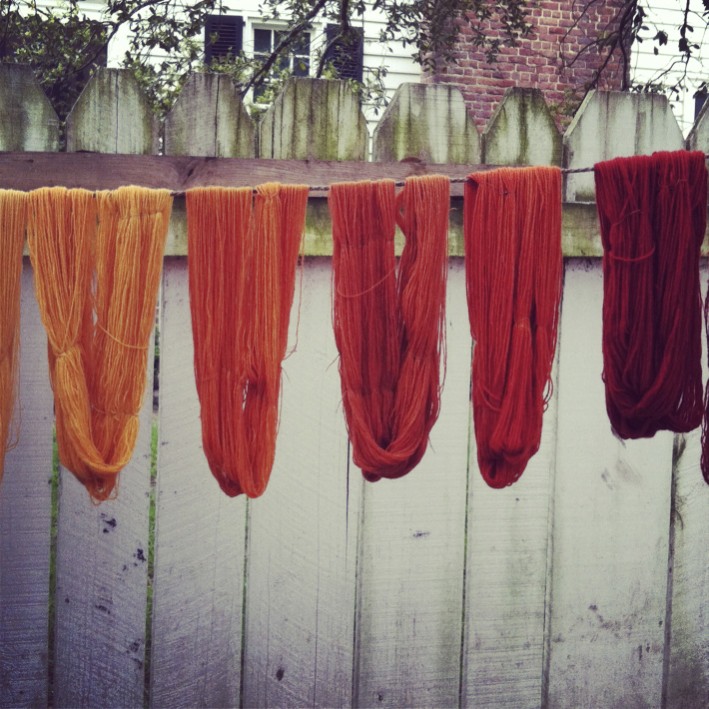
Natural dyes encompass colorants extracted from botanical sources, invertebrates, or minerals. Predominantly, these are vegetable dyes, originating from various plant parts such as roots, berries, bark, leaves, and wood, alongside other biological entities like fungi.
Archaeological findings indicate that textile dyeing practices date back to the Neolithic era. In China, the application of dyes derived from plants, barks, and insects has been documented for over five millennia. The fundamental dyeing methodology remained largely consistent throughout history: dye material was typically immersed in water, heated to facilitate the extraction of dye compounds into solution, and then textiles were introduced and maintained at temperature until the desired coloration was achieved. Textile fibers could be dyed at various stages: prior to spinning or weaving (known as "dyed in the wool"), after spinning ("yarn-dyed"), or following weaving ("piece-dyed"). A significant number of natural dyes necessitate the application of mordants, which are substances that facilitate the binding of the dye to textile fibers. Mordants, derived from the Latin term mordere, meaning 'to bite', are metal salts capable of forming stable molecular coordination complexes with both natural dyes and natural fibers. Historically, alum (potassium aluminum sulfate, an aluminum metal salt) and iron (ferrous sulfate) were the most frequently employed mordants. While numerous other metal salt mordants were historically utilized, their current use is infrequent due to contemporary research highlighting their severe toxicity to human health, ecological systems, or both. Examples include salts of chrome, copper, tin, and lead. Furthermore, various non-metal salt substances can aid in the molecular bonding of natural dyes to natural fibers, either independently or in conjunction with metal salt mordants. These include tannins sourced from oak galls and diverse plant parts, "pseudo-tannins" like plant-derived oxalic acid, and ammonia obtained from stale urine. Plants exhibiting aluminum bio-accumulation have also been historically employed. Certain mordants and dyes themselves emit potent odors, leading to the common isolation of large-scale dyeworks in designated areas.
Historically, textiles were colored using readily available local materials; however, rare dyestuffs yielding vibrant and durable hues, such as the invertebrate-derived Tyrian purple and crimson kermes, attained significant value as luxury commodities in ancient and medieval societies. Folium, also known as Turnasole, offered a more economical purple/violet alternative to Tyrian purple. Botanical dyes, including woad (Isatis tinctoria), indigo, saffron, and madder, constituted crucial trade commodities across the economies of Asia, Africa, and Europe. Dyes like cochineal and logwood (Haematoxylum campechianum) were introduced to Europe via Spanish treasure fleets, while European dyestuffs were subsequently transported to America by colonists.
The advent of synthetic dyes in the mid-19th century initiated a prolonged downturn in the widespread market for natural colorants. Nevertheless, the early 21st century has witnessed a resurgence in the demand for natural dyes within the fashion sector. This renewed interest stems from increasing consumer awareness in Western societies regarding the health and ecological consequences associated with synthetic dyes, whose manufacturing processes often involve toxic fossil fuel byproducts. Consequently, there is a burgeoning market for products colored with natural dyes.
Dyes Utilized in the Fashion Industry
Due to their distinct molecular structures, cellulose and protein fibers necessitate varied mordant treatments to optimize their receptivity to natural dyes.
- Cellulose fibers include: cotton, linen, hemp, ramie, bamboo, and rayon.
- Protein fibers comprise: wool, angora, mohair, cashmere, silk, soy, leather, and suede.
Cellulose fibers exhibit a lower affinity for natural dyes compared to protein fibers. The predominant method for preparing cellulose fibers involves an initial application of tannin, given its high affinity for both protein and cellulose fibers, followed by the use of an aluminum salt. For protein fibers, alum is the most frequently employed preparatory agent. Despite these common practices, historical documentation reveals hundreds of diverse mordanting techniques applicable to both protein and cellulose fibers.
The following categories of natural dyes are currently favored by craft dyers and within the global fashion industry:
Dyes Derived from Animal Sources
- Cochineal insect (yielding red)
- Cow urine (producing Indian yellow)
- Lac insect (generating red and violet hues)
- Murex snail (source of purple and indigo blue)
- Octopus/Cuttlefish (providing sepia brown)
Dyes Derived from Plant Sources
- The black walnut, specifically its hulls, yields brown and black dyes and is a source of tannin.
- The catechu, also known as the cutch tree, produces a brown dye.
- Gamboge tree resin provides a distinctive dark mustard yellow hue.
- Chestnut hulls can be used to obtain colors ranging from peach to brown.
- Ebony leaves are utilized for producing black dyes.
- The root of the Himalayan rhubarb yields bronze and yellow pigments.
- Indigo leaves are a source of dyes that range from blue to purple.
- Kamala seed pods provide a yellow dye.
- Katuray is employed to produce a red dye.
- Madder root is known for yielding red, pink, and orange dyes.
- Mangosteen peel offers a diverse palette, including green, brown, dark brown, purple, and crimson dyes.
- Narra wood is a source of red dye.
- Myrobalan fruit provides yellow, green, and black dyes, and also serves as a source of tannin.
- Noni roots are used to extract red dyes.
- Pomegranate rind yields a yellow dye.
- Sappanwood is a source of red dye.
- Teak leaves produce dyes ranging from crimson to maroon.
- The sumac, specifically the staghorn sumac tree, provides brown dyes and is a source of tannin.
- Turmeric roots are utilized for their yellow dyeing properties.
- The weld herb is a source of yellow dye.
Historical Context
The earliest documented colors in ancient textile sites, spanning the Neolithic to the Bronze Age across the Levant, Egypt, Mesopotamia, and Europe, primarily consisted of "ruddy" hues such as reds, browns, and oranges. Subsequently, evidence of blues emerged, followed by yellows, with green appearing at a later stage. The most ancient surviving proof of textile dyeing was unearthed at the extensive Neolithic settlement of Çatalhöyük in southern Anatolia, revealing traces of red dyes, potentially derived from ochre (iron oxide pigments sourced from clay). The development of polychrome, or multicolored, fabrics appears to have occurred during the 3rd or 2nd millennium BCE. Notably, textiles featuring a "red-brown warp and an ochre-yellow weft" were discovered within Egyptian pyramids dating to the Sixth Dynasty (2345–2180 BCE).
Definitive chemical analysis to identify dyes in ancient textiles has been infrequently performed. Even when a dye like indigo blue is identified, pinpointing the specific indigo-producing plant utilized remains challenging. Nonetheless, an examination of surviving textile fragments and archaeological findings of dyestuffs indicates that plant-derived reds, blues, and yellows were widely employed by the late Bronze Age and Iron Age.
During the 18th century, Jeremias Friedrich Gülich significantly advanced the dyeing process, notably establishing standards for dyeing sheep wool and various other textiles. His contributions to process refinement and his theories on color garnered considerable acclaim from the renowned poet and artist Johann Wolfgang von Goethe.
Methodologies
Following the mordanting stage, the fundamental dyeing process involves immersing the dye-containing material (the dyestuff) in water. The textile intended for dyeing is then introduced into the resultant solution (the dyebath), which is subsequently brought to a simmer for a prolonged duration, frequently spanning days or even weeks. Intermittent stirring is necessary to ensure uniform color transfer to the textiles.
Certain dyestuffs, including indigo and lichens, impart effective coloration when applied independently; these are termed direct dyes or substantive dyes. Conversely, most plant-derived dyes necessitate the application of a mordant, a chemical agent employed to "fix" the color within the textile fibers. Such dyes are designated as adjective dyes or "mordant dyes." The strategic use of diverse mordants enables dyers to achieve a spectrum of colors and shades from a single dye, as many mordants not only secure the natural dye compounds to the fiber but can also alter the ultimate dye hue. Fibers or fabric can undergo mordant pretreatment (pre-mordant), or the mordant may be integrated into the dyebath (meta-mordant or co-mordant), or the mordanting process can occur post-dyeing (post-mordant).
Natural alum (aluminum sulfate) has served as the most prevalent metallic salt mordant for millennia, with its use documented in historical texts such as the Papyrus Graecus Holmiensis, which details mordant and dye recipes. Other metallic salt mordants include tin (stannous chloride), copper (cupric sulfate), iron (ferrous sulfate, known as copperas), and chrome (potassium dichromate). Iron mordants typically "sadden" colors, whereas alum and tin mordants tend to brighten them. However, iron, chrome, and tin mordants can contribute to fabric degradation, a phenomenon termed "dye rot." Supplementary modifiers may be incorporated during or after the dyeing process to safeguard fiber integrity, adjust pH for varied color outcomes, or achieve other desirable results. Metal-salt accumulating plants, such as club mosses, were also commonly employed as mordants in parts of Europe, though many species are now endangered. The Symplocos genus, found in semi-tropical regions, similarly bioaccumulates aluminum and remains a favored choice among natural dyers.
Throughout Asia, Africa, and the Americas, patterned textiles were created using resist dyeing techniques, which regulate color absorption in piece-dyed cloth. In regions including China, Japan, India, Pakistan, Nigeria, Gambia, and other parts of West Africa and Southeast Asia, intricate silk and cotton fabrics were produced. These methods involve printing or stenciling the cloth with starch or wax, or tying it in specific configurations to prevent uniform dye penetration during piece dyeing. The Chinese ladao process dates back to the 10th century, while other traditional techniques encompass tie-dye, batik, Rōketsuzome, katazome, bandhani, and leheria.
The dyeing process often entails specific environmental requirements, as some mordants and dyestuffs emit potent odors. It typically necessitates a substantial supply of fresh water, adequate storage facilities for bulky plant materials, vats capable of sustained heating (often for days or weeks) along with the requisite fuel, and well-ventilated areas for drying the dyed textiles. Consequently, ancient large-scale dye-works were commonly situated on the periphery of populated centers.
Common Dyestuffs
Reds and Pinks
Numerous plant species yield red or reddish dyes, including various lichens, henna, alkanet or dyer's bugloss (Alkanna tinctoria), asafoetida, sappanwood, several Galium species, and dyer's madder (Rubia tinctorum and Rubia cordifolia). Madder and related plants within the genus Rubia are indigenous to many temperate zones globally and were utilized as sources of effective red dye in prehistoric eras. Madder has been identified on linen from Tutankhamun's tomb, and Pliny the Elder documented its cultivation near Rome. Madder held significant commercial importance in Europe, being cultivated in the Netherlands and France for dyeing the red coats of military uniforms until its market collapsed following the development of synthetic alizarin dye in 1869. Madder was also employed to dye the "hunting pinks" in Great Britain.
Turkey red was a potent, highly colorfast red dye for cotton, derived from madder root through a complex, multi-stage process involving "sumac and oak galls, calf's blood, sheep's dung, oil, soda, alum, and a solution of tin." Originating in India, Turkey red disseminated to Turkey. Greek artisans familiar with its production methods were brought to France in 1747, and Dutch and English intelligence agents rapidly uncovered the methodology. By 1784, a refined variant of Turkey red was manufactured in Manchester, and roller-printed dress cottons featuring a Turkey red ground gained popularity in England by the 1820s.
Munjeet, also known as Indian madder (Rubia cordifolia), is indigenous to the Himalayas and other mountainous regions of Asia and Japan. Munjeet constituted a significant dyestuff within the Asian cotton industry and continues to be employed by artisanal dyers in Nepal.
In tropical Asia, red dye is extracted from sappanwood (Biancaea sappan). In Malaysia and Laos, a red-to-purple dye is derived from the root of the Indian mulberry (Morinda tinctoria). In the Philippines, red dye was obtained from noni (Morinda citrifolia) roots, sapang (sappanwood), katuray (Sesbania grandiflora), and narra wood (Pterocarpus spp.), among various other botanical sources.
Puccoon, or bloodroot (Sanguinaria canadensis), is a frequently utilized red dye among Southeastern Native American basketweavers. Choctaw basketweavers also employ sumac to achieve red coloration. Coushatta artists from Texas and Louisiana utilized the water oak (Quercus nigra L.) for red dye production.
The delicate rose hue in Navajo rugs is derived from the fermented fruit of the prickly pear cactus, Opuntia polyacantha. Additionally, Navajo weavers utilize rainwater and red earth to produce salmon-pink dyes.
Dyeing Techniques
Japanese dyers have perfected the method for extracting a vibrant red to orange-red dye, known as carthamin, from the dried florets of safflower (Carthamus tinctorius). The process begins by preparing a cold water bath, into which the collected flowers are introduced. Steeping in cold water extracts a yellow pigment, which is subsequently strained and discarded. Following pressing and drying, the red petals are rehydrated, and an alkali derived from the burnt ash of Chenopodium album var. centrorubrum is incorporated to release the red colorant. The mixture is then manually kneaded and strained. Subsequently, vinegar is added to the solution, and linen strips are used to absorb the colorant. These now-red linen strips are transferred to a separate vessel, where additional alkali, also sourced from the burnt ash of Chenopodium album var. centrorubrum, is added to liberate the red pigment absorbed by the linen. The resulting solution is then decanted into another container. For color fixation, a mordant is prepared from plums that have been coated in soot, fumigated in a smoking pit for 24 hours, and then sun-dried for one month. These dried plums are steeped in water and combined with the color pigment, which facilitates the precipitation of the colorant onto silk or other desired materials. At this stage, the colorant exhibits a consistency akin to fine, red mud. The dye can be diluted as needed. Approximately 1.5 kilograms (3.3 lb) of dried florets yields sufficient pigment to dye a small fabric piece. The dye's color is fixed within the fabric using a mordant. To achieve darker shades, the dyeing process is repeated multiple times, with intermediate drying periods for the fabric.
Orange Dyes
Dyes capable of producing red and yellow hues can also generate orange tones. Navajo dyers specifically derive orange pigments from one-seeded juniper (Juniperus monosperma), Navajo tea (Thelesperma gracile), or alder bark.
Yellow Dyes
Yellow dyes are remarkably abundant, comparable in number to red dyes, and can be extracted from sources such as saffron, pomegranate rind, turmeric, safflower, onion skins, and various weedy flowering plants. Although evidence for its use before the Iron Age is limited, weld (Reseda luteola), also known as mignonette or dyer's rocket, was a significant dye in the ancient Mediterranean and Europe and is indigenous to England. From the 18th century onward, two commercially important brilliant yellow dyes in Europe originated from trees in the Americas: quercitron, derived from the inner bark of the Eastern Black Oak (Quercus velutina), native to eastern North America, and fustic, obtained from the dyer's mulberry tree (Maclura tinctoria) found in the West Indies and Mexico.
For rivercane basketweaving among Southeastern Woodlands tribes in the Americas, butternut (Juglans cinerea) and yellow root (Xanthorhiza simplicissima) are utilized to achieve a rich yellow coloration. Chitimacha basket weavers employ an intricate method for yellow dye production, which includes a dock plant, most probably Rumex crispus. Navajo artists formulate yellow dyes from small snake-weed, brown onion skins, and the rubber plant (Parthenium incanum). Additionally, rabbitbush (Chrysothamnus) and rose hips yield pale, yellow-cream colored dyes.
Green Dyes
While plants yielding yellow dyes are prevalent, those producing green dyes are uncommon. Woad and indigo have been historically combined with yellow dyes since antiquity to create various shades of green. Medieval and Early Modern England was particularly renowned for its green dyes. In the High Middle Ages, dyers in Lincoln, a prominent textile center, created the distinctive Lincoln green cloth, famously associated with Robin Hood, by initially dyeing wool with woad and subsequently overdyeing it yellow with weld or dyer's greenweed (Genista tinctoria), also known as dyer's broom. Similarly, woolen cloth mordanted with alum and dyed yellow with dyer's greenweed was overdyed with woad, and later indigo, to produce the once-celebrated Kendal green. However, Kendal green subsequently declined in popularity during the 18th century, superseded by the more vibrant Saxon green, which was dyed using indigo and fustic.
Soft olive green hues are also obtained by treating yellow-dyed textiles with an iron mordant. Archaeological evidence from the Iron Age Hallstatt culture reveals dull green fabrics containing iron traces, suggesting they may have been colored by boiling yellow-dyed cloth in iron vessels. Furthermore, indigenous communities of the North American Northwest Plateau utilized lichen to impart a sea green color to corn husk bags.
Navajo textile artist Nonabah Gorman Bryan devised a two-stage method for producing green dye. This process involves initially dyeing Churro wool yarn yellow using sagebrush, Artemisia tridentata, followed by immersion in a black dye afterbath. Additionally, Navajo dyers employ red onion skins to achieve green coloration.
Blue Colorants
Globally, blue colorants were historically extracted from indigo-producing plants, predominantly species within the genus Indigofera, which are indigenous to tropical regions. In Asia, the principal commercial indigo species was true indigo (Indigofera tinctoria). India is recognized as the earliest center for indigo dyeing in the Old World. It served as a major supplier of indigo dye to Europe from the Greco-Roman era onward. This historical connection between India and indigo is evident in the Greek term for the dye, indikon (ινδικόν). The Romans subsequently adopted the term indicum, which evolved through Italian dialects to become the English word indigo.
Within the Philippines, blue and indigo shades were also derived from Indigofera tinctoria and allied species, which are locally referred to by common names such as tarum, dagum, and tayum.
In Central and South America, significant blue dyes included Añil (Indigofera suffruticosa) and Natal indigo (Indigofera arrecta).
In temperate regions, including Europe, indigo was predominantly sourced from woad (Isatis tinctoria), a plant native to Assyria and the Levant, cultivated in Northern Europe for over two millennia. However, by the 18th century, woad was largely supplanted by higher-quality Indian indigo, imported by the British East India Company. Woad was introduced to New England in the 17th century and saw widespread use in America until indigenous indigo plants were identified in Florida and the Carolinas. In Sumatra, indigo dye is derived from certain Marsdenia species. Additional indigo-yielding dye plants encompass dyer's knotweed (Polygonum tinctorum) from Japan and coastal China, as well as the West African shrub Lonchocarpus cyanescens. Ultimately, the cultivation of natural indigo was rapidly superseded by synthetic indigo, a chemically identical alternative that offered environmental advantages by eliminating the need for extensive monoculture farming.
Indigo Dyeing Applications
Purple Dyes
During medieval Europe, various purple, violet, and murrey hues were achieved by initially dyeing wool fleece with woad or indigo, followed by piece-dyeing the woven fabric with red colorants such as common madder or the premium dyes kermes and cochineal. Madder itself could also yield purple shades when combined with alum. Brazilwood similarly produced purple tones when treated with vitriol (sulfuric acid) or potash. In China, purple root, or gromwell (Lithospermum purpurocaeruleum), has historically been employed to create purple dye.
Traditionally, Choctaw artists utilized maple (Acer sp.) to generate lavender and purple dyes. Purple colorants can also be extracted from lichens, from the berries of White Bryony found in the northern Rocky Mountain states, and from mulberry (morus nigra) when an acid mordant is applied.
Brown Dyes
Cutch, an ancient brown dye, is derived from the wood of acacia trees, specifically Acacia catechu, and was historically employed in India for cotton dyeing. When used with an iron mordant, cutch yields gray-browns, while a copper mordant produces olive-browns.
Cherokee artists utilize black walnut (Juglans nigra) to achieve a deep brown hue that verges on black. While currently employed predominantly for basket dyeing, black walnut was historically applied to fabrics and deerhide. For the Navajo people, juniper (Juniperus monosperma) ashes, along with the hulls of wild walnuts (Juglans major), serve as sources for brown and yellow dyes. The term 'khaki,' derived from a Hindustani word meaning 'soil-colored,' was adopted for British uniforms in India, which were locally dyed using an extract from the native mazari palm, Nannorrhops.
Gray and Black Dyes
Choctaw dyers utilize maple (Acer sp.) to produce a grey hue. Navajo artisans achieve a black dye by combining mineral yellow ochre with pitch derived from the piñon tree (Pinus edulis) and the three-leaved sumac (Rhus trilobata). Additionally, they generate a cool grey shade using blue flower lupine and a warm grey from Juniper mistletoe (Phoradendron juniperinum).
In the Philippines, black dye was historically extracted from the leaves of ebony (knalum or batulinao) and from indigo.
Lichens
Dye-producing lichens yield a diverse spectrum of colors, encompassing greens, oranges, yellows, reds, browns, and vibrant pinks and purples. The species Rocella tinctoria, discovered along the Mediterranean Sea, was employed by the ancient Phoenicians. More recently, lichen-derived dyes have played a significant role in the dyeing practices of Wales, Ireland, Scotland, and among indigenous communities of the southwestern United States and the Intermontane Plateaus. Notable Scottish lichen dyes include cudbear (also known as archil in England and litmus in the Netherlands) and crottle.
Fungi
American artist Miriam C. Rice initiated groundbreaking research into the application of various mushrooms for natural dyes. Commencing in the late 1960s, she identified mushroom-derived dyes capable of producing a comprehensive spectrum of colors. Subsequently, Swedish and American mycologists, expanding upon Rice's foundational work, have identified fungal sources for distinct blues (Sarcodon squamosus) and mossy greens (Hydnellum geogenium). The fungus Hypholoma fasciculare yields a yellow dye, while species like Phaeolus schweinitzii and Pisolithus tinctorius are utilized in the dyeing of textiles and paper.
Luxury Dyestuffs
Between the second millennium BC and the 19th century, a series of rare and costly natural dyestuffs gained and lost prominence in both the ancient world and Europe. Frequently, the expense of these dyes significantly surpassed that of the wools and silks they colored, leading to their application primarily on the most exquisite grades of fabrics.
Royal Purple
Tyrian purple, also known as royal purple, constituted the foremost luxury dye of the ancient world. This distinctive purple-red pigment is extracted from various genera of sea snails, predominantly the spiny dye-murex Murex brandaris (now classified as Bolinus brandaris). Murex dye was highly esteemed in antiquity due to its exceptional colorfastness; rather than fading, it intensified in brightness and vibrancy when exposed to weathering and sunlight. The development of murex dyeing may have originated with the Minoans of East Crete or the West Semites inhabiting the Levantine coast, as evidenced by accumulations of crushed murex shells found at multiple sites across the eastern Mediterranean, dating to the mid-2nd millennium BC. Additionally, the classical dye termed Phoenician Red was also sourced from murex snails.
Murex dyes commanded exorbitant prices, given that a single snail yields only a solitary drop of pigment. Consequently, the Roman Empire established a stringent monopoly on their application, beginning with the reign of Alexander Severus (AD 225–235), a policy continued by the subsequent Byzantine Empire until the Early Middle Ages. This dye was employed for imperial manuscripts on purple parchment, frequently featuring text rendered in silver or gold. The term porphyrogenitos, meaning "born in the purple," designated Byzantine children of a reigning Emperor. The color itself resonated with the increasingly scarce purple rock porphyry, which was also associated with the imperial family.
Crimson and Scarlet
Tyrian purple maintained its position as Europe's preeminent dye until its status and desirability were superseded by the opulent crimson reds and scarlets produced in Italy's emerging silk-weaving hubs, colored with kermes. Kermes is derived from the dried, unlaid eggs of the insect Kermes vermilio or Kermococcus vermilio, which infests various oak species, particularly the Kermes oak prevalent in the Mediterranean region. This dye possesses an ancient provenance, with kermes jars discovered in a Neolithic cave-burial site at Adaoutse, Bouches-du-Rhône. Analogous dyes are obtained from related insect species, including Porphyrophora hamelii (Armenian cochineal) from the Caucasus, Porphyrophora polonica (Polish cochineal or Saint John's blood) from Eastern Europe, and the lac-producing insects found across India, Southeast Asia, China, and Tibet.
When kermes-dyed textiles gained prominence around the mid-11th century, the dyestuff was universally termed "grain" across Western European languages, owing to the resemblance of its desiccated eggs to fine particles of wheat or sand. Consequently, textiles colored with kermes were described as dyed in the grain. Woollens were frequently dyed in the fleece using woad, then subsequently piece-dyed with kermes, yielding a diverse spectrum of hues from blacks and grays to browns, murreys, purples, and sanguines. By the 14th and early 15th centuries, the brilliant full grain kermes scarlet was considered "by far the most esteemed, most regal" color for luxurious woollen textiles throughout the Low Countries, England, France, Spain, and Italy.
Cochineal (Dactylopius coccus) is a scale insect indigenous to Central and North America, from which the crimson carmine dye is extracted. This dye was extensively utilized by the Aztec and Maya civilizations, with Moctezuma in the 15th century collecting tribute in the form of cochineal dye bags. Following the Spanish conquest of the Aztec Empire, cochineal began to be exported to Spain, evolving into a commodity traded as far as India by the 17th century. During the colonial era, the production of cochineal (known in Spanish as grana fina) expanded significantly. Produced almost exclusively in Oaxaca by indigenous communities, cochineal became Mexico's second most valuable export after silver. Cochineal yields purplish tones independently and brilliant scarlets when mordanted with tin; its superior dyeing strength, requiring smaller quantities, led to its replacement of kermes dyes in general European use from the 17th century onward.
The Emergence of Formal Black
Throughout the 15th century, civic records indicate a decline in the fashionability of brilliant reds for high-status and civic garments within the Duchy of Burgundy, in favor of dark blues, greens, and, most notably, black. The origins of this trend toward somber colors remain somewhat obscure but are generally attributed to the increasing influence of Spain and potentially the importation of Spanish merino wools. This sartorial shift subsequently diffused across Europe in the following century, with the Low Countries, German states, Scandinavia, England, France, and Italy all adopting the austere and formal aesthetic of Spanish dress after the mid-1520s.
Achieving a durable black in the Middle Ages was an intricate process involving multiple dyeings with woad or indigo, followed by mordanting. However, at the advent of the Early Modern period, a novel and superior method for dyeing black reached Europe through Spanish conquests in the New World. This new technique employed logwood (Haematoxylum campechianum), a dyewood native to Mexico and Central America. Although logwood initially received a poor reception, producing a blue inferior to that of woad and indigo, it was subsequently discovered to yield a fast black when combined with a ferrous sulfate (copperas) mordant. Despite evolving color fashions, logwood became the most widely used dye by the 19th century, providing the deep blacks characteristic of formal and mourning attire.
Decline and Revival
Synthetic dyes, which could be rapidly manufactured in large volumes, swiftly superseded natural dyes for commercial textile production, a development facilitated by the Industrial Revolution. Unlike natural dyes, synthetic alternatives were also compatible with the synthetic fibers that emerged later. Artists associated with the Arts and Crafts Movement, however, favored the rich, complex hues of natural dyes, as many natural sources contain multiple dye compounds, contrasting with synthetic dyes that typically rely on a single compound, resulting in a less nuanced visual effect. This preference was instrumental in preserving traditional European techniques for dyeing and printing with natural dyestuffs for use by home and craft dyers. Furthermore, natural dyeing methods continue to be perpetuated by artisans in traditional cultures globally.
Synthetic Dyes
The mid-19th century marked the advent of synthetic dyes, commencing with William Henry Perkin's creation of mauveine in 1856, an aniline dye derived from coal tar. Subsequently, alizarin, the red pigment found in madder, became the inaugural natural dye to be synthesized in 1869, which precipitated the decline of the natural madder market. By 1880, a rapid proliferation of potent aniline dyes had occurred, introducing a spectrum of reddish-purples, blues, violets, greens, and reds. These novel dyes exhibited a strong affinity for animal fibers, including wool and silk. While some new hues proved susceptible to fading, others, such as indigo, demonstrated stability comparable to natural dyes. Consequently, commercial dyeing utilizing natural dyestuffs was rapidly diminishing by the 1870s.
The scientific community persisted in developing novel synthetic dyes, aiming for efficacy on cellulosic fibers such as cotton and linen, and enhanced colorfastness on wool and silk compared to earlier aniline dyes. Chrome or mordant dyes subsequently offered a subdued yet highly durable color palette for woolens. This advancement was succeeded by the introduction of acid dyes for animal fibers from 1875, and the synthetic production of indigo in Germany in 1880. Research into indigo culminated in the 1901 development of vat dyes, a new class capable of imparting a broad spectrum of fast colors to cellulosic fibers like cotton. In 1923, disperse dyes emerged, specifically designed for coloring cellulose acetate textiles, which were previously resistant to existing dyes. Currently, disperse dyes remain the sole effective method for coloring numerous synthetic materials. Reactive dyes for cotton were introduced in the mid-1950s. These petroleum-based synthetic dyes are now extensively employed in both commercial textile manufacturing and craft dyeing, largely supplanting natural dyes.
Preservation of Dyeing Techniques
Concurrently, William Morris, a prominent Pre-Raphaelite artist and a foundational figure in the Arts and Crafts movement, integrated dyeing into his manufacturing enterprise, the design firm Morris Co. As an ardent medievalist, Morris expressed disdain for the hues generated by the then-fashionable aniline dyes. He dedicated considerable effort at his Staffordshire dye works to mastering plant-based dyeing processes and conducting experiments aimed at reviving traditional methods or discovering novel ones. A significant outcome of these endeavors was the re-establishment of indigo dyeing as a viable industry and a broader resurgence in the use of natural dyes, such as madder, which had been largely displaced by the commercial triumph of anilines. Morris regarded the dyeing of wools, silks, and cottons as an indispensable precursor to producing woven and printed fabrics of superior quality. His intensive engagement with dye-vats (1875–76) was succeeded by a period (1877–78) dedicated to textile production, particularly focusing on the revitalization of carpet and tapestry weaving as fine arts. Morris Co. additionally supplied naturally dyed silks for the embroidery technique known as art needlework.
In America, synthetic dyes gained widespread acceptance among various Native American textile artists; nevertheless, natural dyes continued to be employed, primarily because many textile collectors favored them over synthetic alternatives. Presently, the practice of dyeing with natural materials frequently complements hand spinning, knitting, and weaving. This craft endures as a vibrant tradition within numerous indigenous cultures across North America, Africa, Asia, and the Scottish Highlands.
Growing ecological awareness has stimulated a renewed interest in natural dyeing techniques. For instance, the European Union has advocated for Indonesian batik cloth manufacturers to adopt natural dyes to enhance their competitiveness in the European export market.
Contemporary Skill Revitalization
Historically, dyers possessed sophisticated knowledge regarding natural sources of genuine dye compounds; however, contemporary online information frequently disseminates inaccuracies, particularly concerning food-based sources, which lack corroboration from historical records or modern scientific inquiry. In natural dyeing, a distinction is made between "fast" dye compounds and "fugitive" compounds. Fast dyes exhibit the necessary molecular structure to form stable chemical bonds with mordants and fibers, thereby providing robust resistance to fading from washing, light exposure, or abrasion; these are consistently documented throughout historical practices. Conversely, fugitive compounds are not considered true dyes, as their molecular structure prevents the formation of stable bonds, or any bonds, with mordants and fibers, leading to rapid fading and washout. Mordanting is ineffective in permanently binding fugitive sources to fibers. Examples of fugitive sources include nearly all berries, red cabbage, beets, spinach, black beans, and the majority of flowers, although certain significant true dyes are indeed derived from floral sources.
References
This section pertaining to William Morris integrates content from the Dictionary of National Biography, supplemental volume 3 (1901), a work now within the public domain.
- Barber, E. J. W. (1991). Prehistoric Textiles. Princeton University Press. ISBN 0-691-00224-X.Boucher, François; Deslandres, Yvonne (1987). 20,000 Years of Fashion: The History of Costume and Personal Adornment (Expanded ed.). New York: Harry N. Abrams. ISBN 0-8109-1693-2.Cannon, John; Cannon, Margaret (2002). Dye Plants and Dyeing (2nd ed.). A&C Black. ISBN 978-0-7136-6374-7.Cardon, Dominique (2007). Natural Dyes: Sources, Tradition, Technology and Science. Archetype Publications. ISBN 978-1-904982-00-5.Cardon, Dominique (2016). The Dyer's Handbook Memoirs On Dyeing (Translation into English of an anonymous French manuscript held in a private collection consisting of four essays produced around 1763. ed.). Oxford, Philadelphia: Oxbow Books. ISBN 9781785702112. OCLC 950262477.Chancey, Jill R., ed. (2005). By Native Hands: Woven Treasures from the Lauren Rogers Museum of Art. Lauren Rogers Museum of Art. ISBN 0-935903-07-0.Flint, India (2008). Eco Colour: Botanical Dyes For Beautiful Textiles. Loveland, CO: Interweave. ISBN 9781596683303. OCLC 505420554.Gillow, John; Sentance, Bryan (1999). World Textiles. Bulfinch. ISBN 0-8212-2621-5.Goodwin, Jill (1982). A Dyer's Manual. Pelham. ISBN 0-7207-1327-7.Hofenk de Graaf, Judith (2004). The Colourful Past: Origins, Chemistry and Identification of Natural Dyestuffs. Abegg-Stiftung and Archetype Publications. ISBN 1-873132-13-1.Jenkins, David, ed. (2003). The Cambridge History of Western Textiles. Cambridge University Press. ISBN 0-521-34107-8.Kerridge, Eric (1988). Textile Manufactures in Early Modern England. Manchester University Press. ISBN 978-0-7190-2632-4.Netherton, Robin; Owen-Crocker, Gale R., eds. (2007). Medieval Clothing and Textiles. Vol. 3. Boydell Press. ISBN 978-1-84383-291-1.Parry, Linda (1983). William Morris Textiles. Viking Press. ISBN 0-670-77074-4.Schoeser, Mary (2007). Silk. Yale University Press. ISBN 978-0-300-11741-7.Thompson, Frances; Thompson, Tony (1987). Synthetic Dyeing: For Spinners, Weavers, Knitters and Embroiderers. David & Charles. ISBN 0-7153-8874-6.Tozer, Jane; Levitt, Sarah (1983). Fabric of Society: A Century of People and Their Clothes 1770–1870. Laura Ashley Press. ISBN 0-9508913-0-4.
- African textile dyeing
- Cochineal Master's Thesis-History and Uses